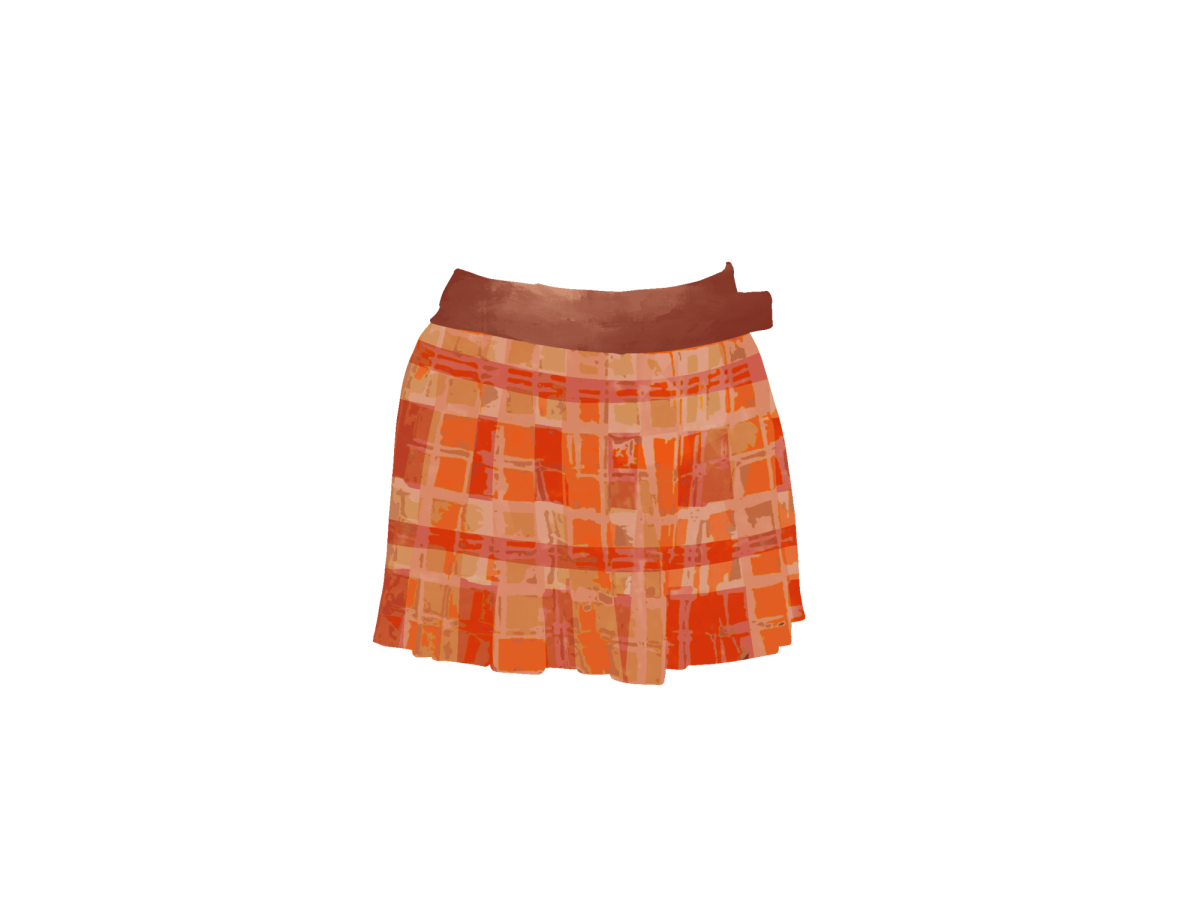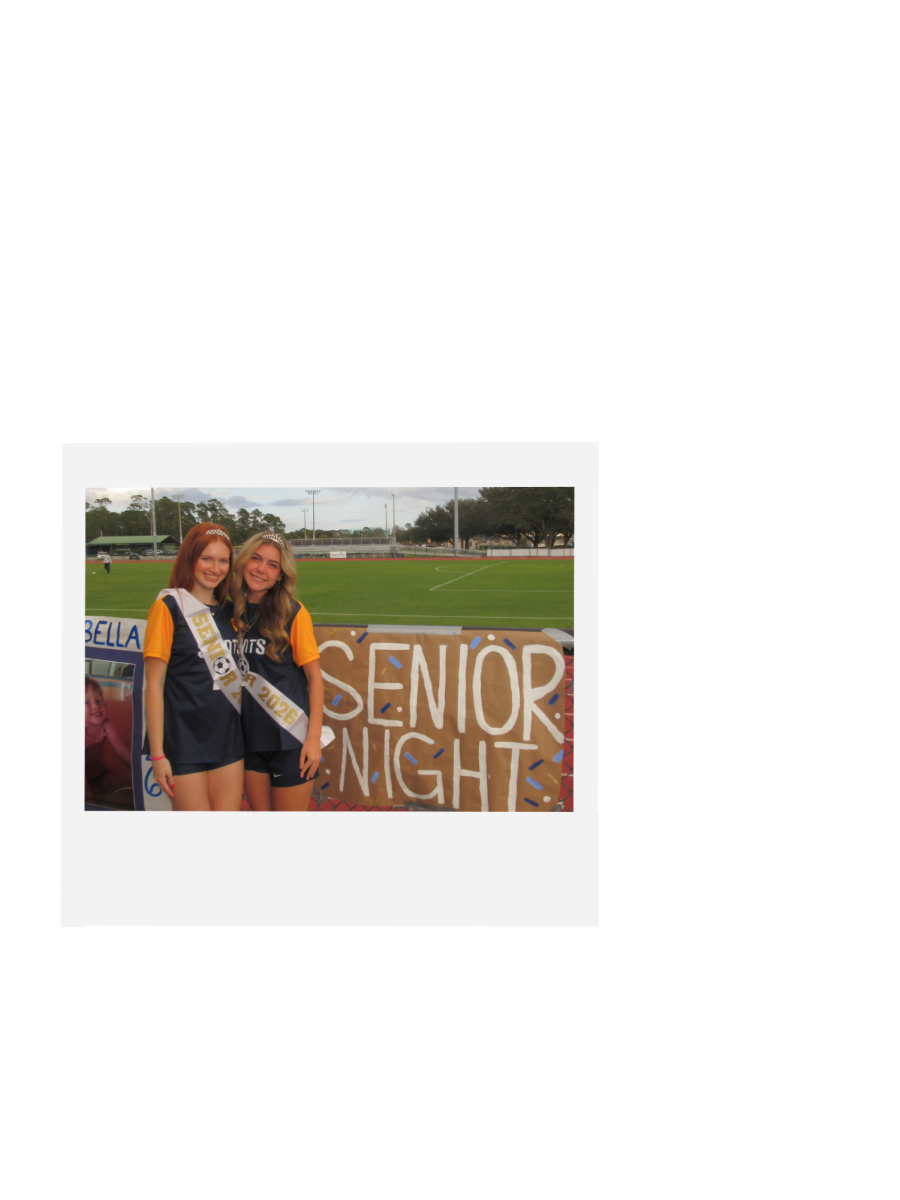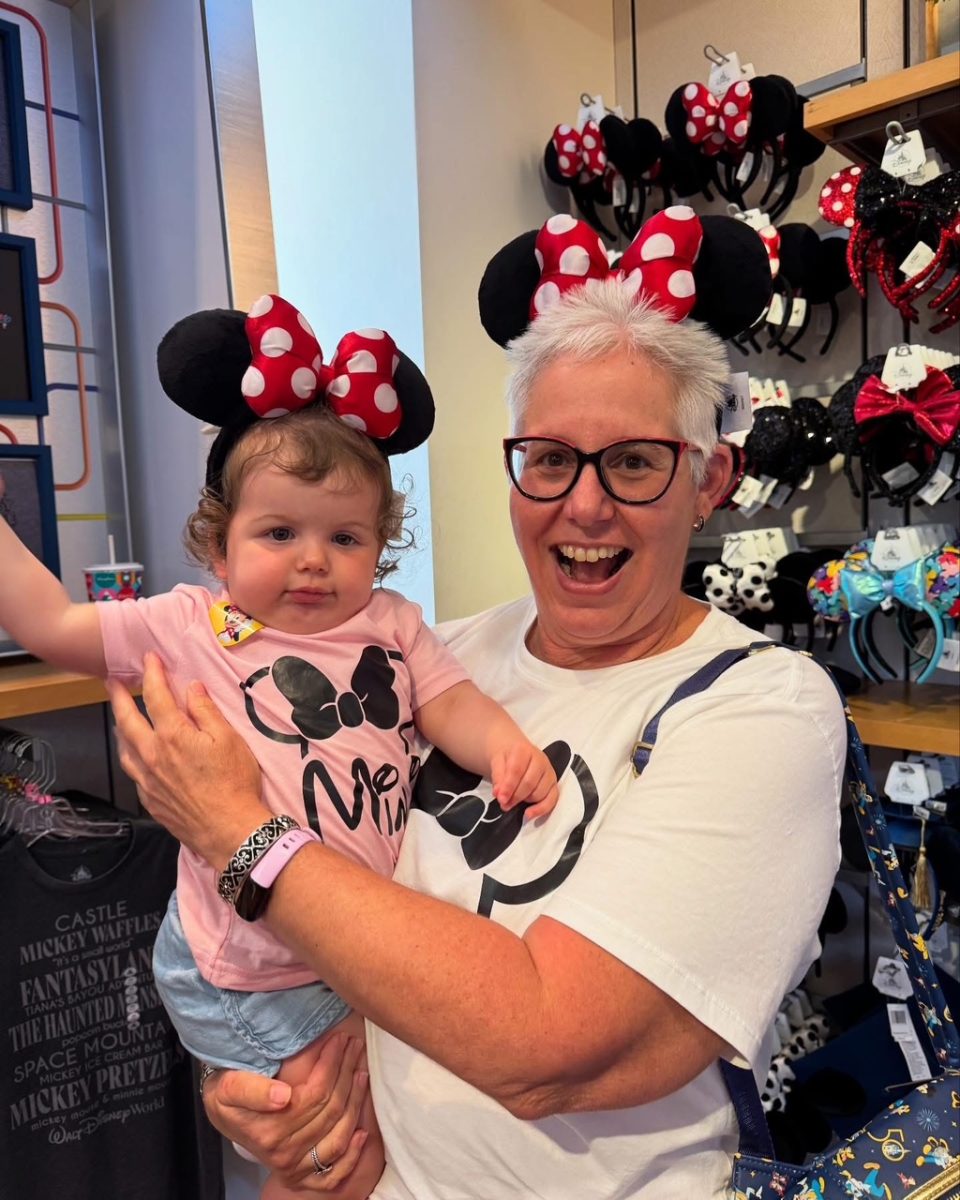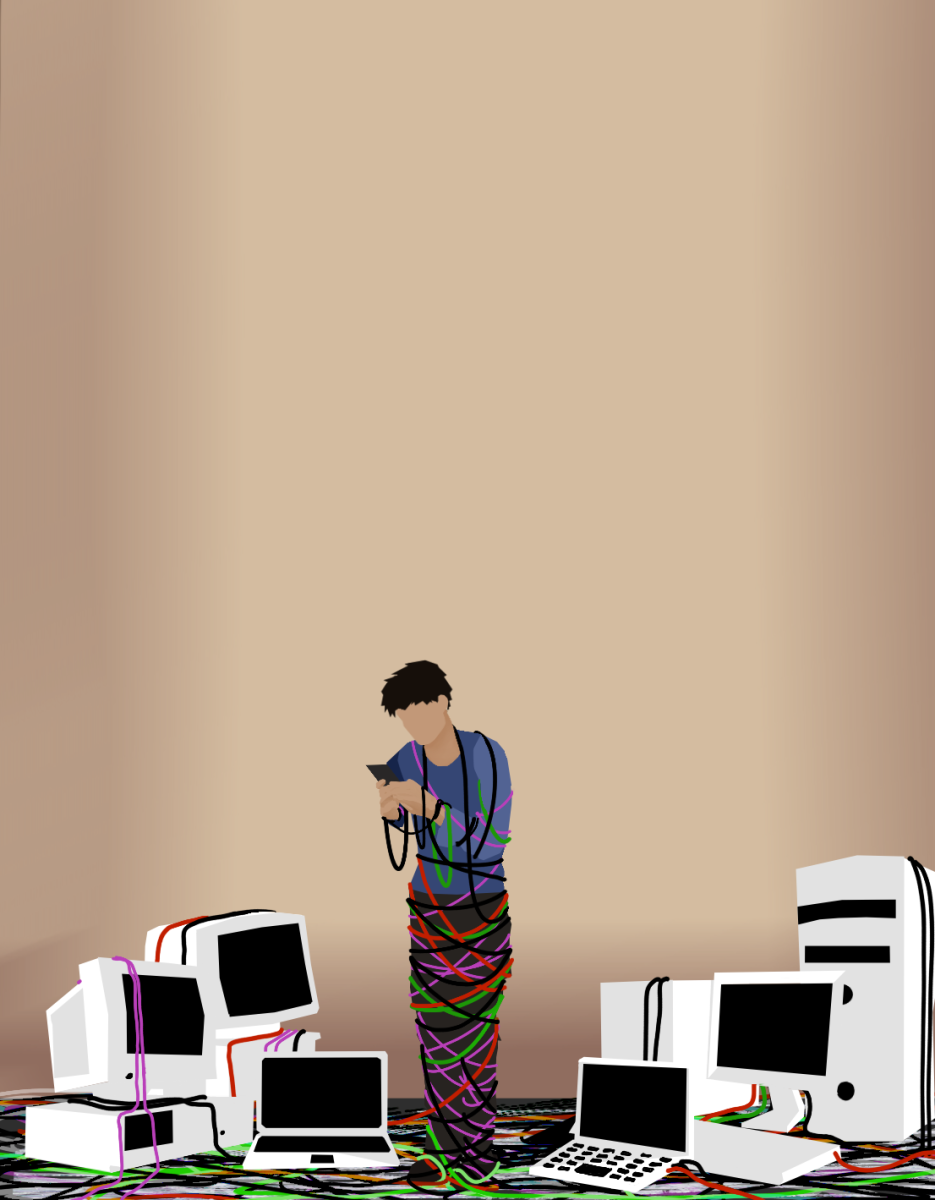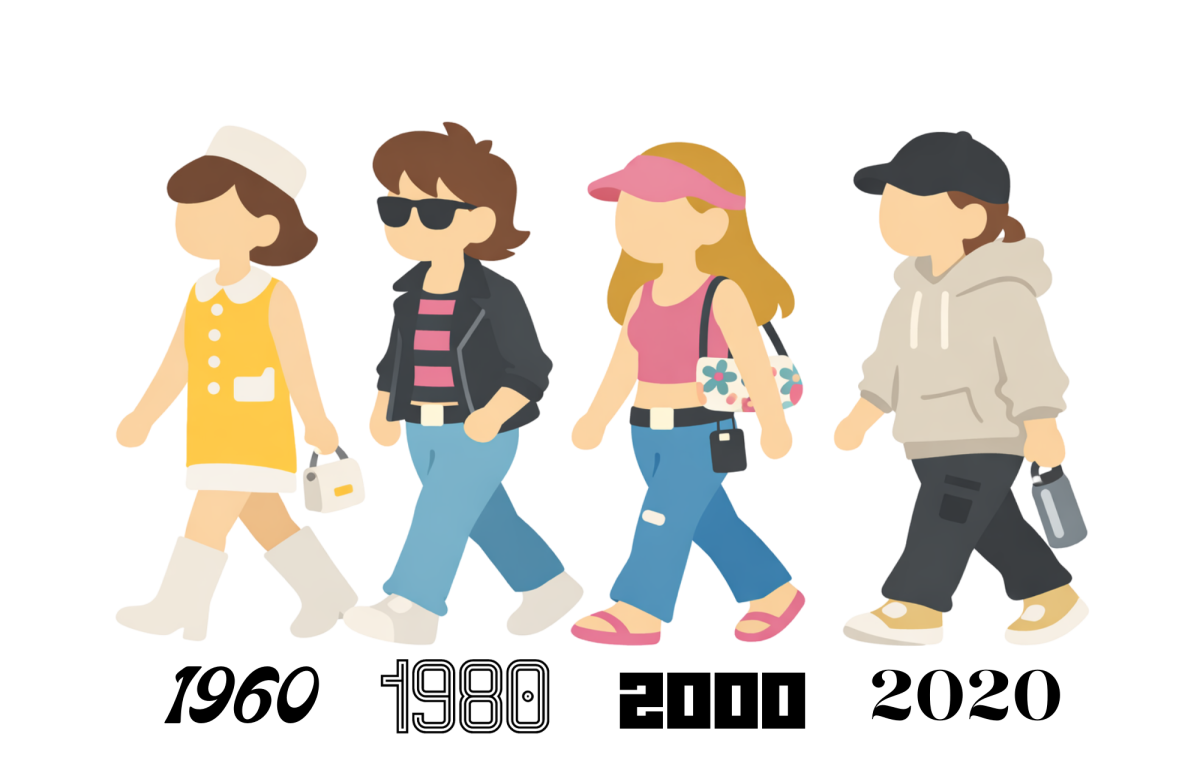
The cycle of fashion starts as a simple clothing sketch given to a tailor as a request. With careful consideration, a drawing is turned into a crafted garment, an idea into a trendy new look. The idea spreads through the town, prompting others to adopt the outfit and create a trend. This trend will continue to be recycled, springing forth every 20 years with a new modernized touch.
Fashion is a concept that transcends generations, a constant cycle that evolves and adapts with the times by reimagining parts of the past and redesigning them with newer ideas. Each new element added to the original style helps to spread the idea to new audiences, who are then able to create their own interpretations of these past fashion trends. Experienced stylist Alisha Champ experiences this difference firsthand when helping clients find new styles and wardrobes.
“Statistically, it takes about 20 years for trends to come back around, only from the aspect that once it can be deemed retro, then it’s cool again,” Champ said. “There’s also a nostalgic part of it for those who lived it the first time, and then they’re seeing it again or they’re at the age where their kids are able to partake in that particular trend.”
This fashion cycle can be seen in many places today. Clothing that has been previously shoved aside is making a comeback, whether it be on clothing racks at stores or seen while scrolling through social media platforms online. Fashion Club founder and senior Maiori Butz has observed the revival of 2000s trends firsthand.
“Right now, I would say there’s a lot of 2000s fashion,” Butz said. “I see a lot of athletic wear like yoga pants and headbands, and also even polka dots, which probably weren’t trending 5 to ten years ago, but it’s definitely recirculating again.”
Fashion companies also facilitate the return of these trends by pushing for the resurgence of past elements that were popular in hopes that they will reach an enthusiastic audience and regain the momentum they once had.
“Clothing companies might be inspired by their past collections or a past era and decide they’re going to take this era of fashion, but put their own twist on it,” Butz said. “Sometimes it’s also just an ode to that era, a reminder of the past.”
While the nostalgic element of these past styles helps to promote the outfits, another key factor that helps these trends recirculate is through marketing. Holland Grumieaux, owner of BANSON NYC, has worked with plenty of sales managers and has gained insight into the inner workings of marketing using social media and online sites.
“The people who are running the marketing departments today are often people in their late 20s and early 30s,” Grumieaux said. “They are much savvier with social media and with technology, and they know how to attract a younger customer.”
One of the largest influences on the rebirth of fashion isn’t just how it is marketed, but who is wearing it and where it is posted online. Joseph has noticed the impacts on fashion trends due to easy accessibility and visibility to audiences.
“Trends happen based on who’s wearing it now,” Photography teacher Carabe Joseph said. “If you’re a big influencer and you wear something from the 1960s that stands out, you’re gonna have people that start re-wearing those pieces.”
Trends from the past are constantly changing and evolving with each generation that passes by, and the cycle of rebirth with fashion continues to alter these styles and turn them into something new and enjoyable for everyone.
“There are so many ways you can style a singular item,” Butz said. “And there’s always a way to bring something from the past and make it futuristic, and that’s why trends recycle.”