Across Central Florida, signs displaying “Immigrants Built America” and flags from bordering nations are becoming a common sight. From Hagerty to Lake Brantley to Boone High School, an increasing number of students are organizing walkouts to protest ICE presence in and around their communities. While a walkout may not be possible at Trinity, supporting students who are engaged in student protest is. Importantly, when student action is just minutes away from homes, involvement is not just necessary, but crucial.
In early 2020, after seeing headline after headline of state-sanctioned violence, students organized and staged some of the most widespread walkouts in America. However, following COVID-19 lockdowns and an eventual return to school, students were left disconnected. With a lack of cohesiveness or community, activism was stifled.
An unprecedented mobilization of ICE, paired with murder and suppression of innocent demonstrators, has reversed that trend.
“I think especially the new generation and generations to come are going to have a huge influence on politics, even though there’s a lot of people (who) tend to shy away from it,” freshman Enzo Kuada said.
Thankfully, in response to this disregard and violence, student activism has found renewed momentum, and one that Trinity students should be a part of. It is worth noting that a walkout has not occurred on Trinity ground specifically, but that is due to, beyond parents, the fact that we are a private school. Our impact starts and ends here.
When dozens of public school students do not show up for school, the county hears about it, and that eventually makes its way to the governor’s office. If Trinity students refuse to attend school, the admin simply deals with them. Rather than be discouraged, though, we must look to where change is already occuring. Students attending public schools close to Winter Park, Longwood and Lake Mary have all hosted demonstrations and walkouts.
“Friday at lunch, we had the walkout, and the principals were there,” senior and walkout organizer for Boone High School Grace Adelson said. “Again, the school resource officers were there, and I think it was very successful. We made it on Western News. We had the helicopter come over.”
Momentum is the single most important aspect of a movement, and as a result, more students need to get involved. Even at a private school like Trinity, student action is still possible.
“I definitely think … having these conversations and just showing up to events in the broader community (is important),” Adelson said. “They can come to a community protest. … I’m going to reiterate this: Local government is so important. And that is where change comes from.”
The most basic form of engagement accessible to all students is social media. Part of building momentum for a movement is through amplifying messages on social media. This could mean following a school’s walkout account, reposting their statements, or even reaching out to the organizers to see what they might need help with.
A more direct form of involvement could come through town hall meetings. In the end, communicating with local governance is the easiest way to resolve local issues. Simply engaging with these pre-established channels for dialogue matters because it brings notice to an issue. Beyond speaking with local officials, listening to community members and their stories is how genuine alliances are formed.
Those alliances are what make direct involvement all the more meaningful and impactful. Knowing who you might be canvassing for makes it all the more worthwhile. Attending a general protest with people that you know only makes the cause more noble.
All of this engagement matters because meaningfully interacting with organizers is how communities form. It is through community building that grassroots movements grow and ultimately effect change. In other words, simply showing up means that change is more likely to happen. 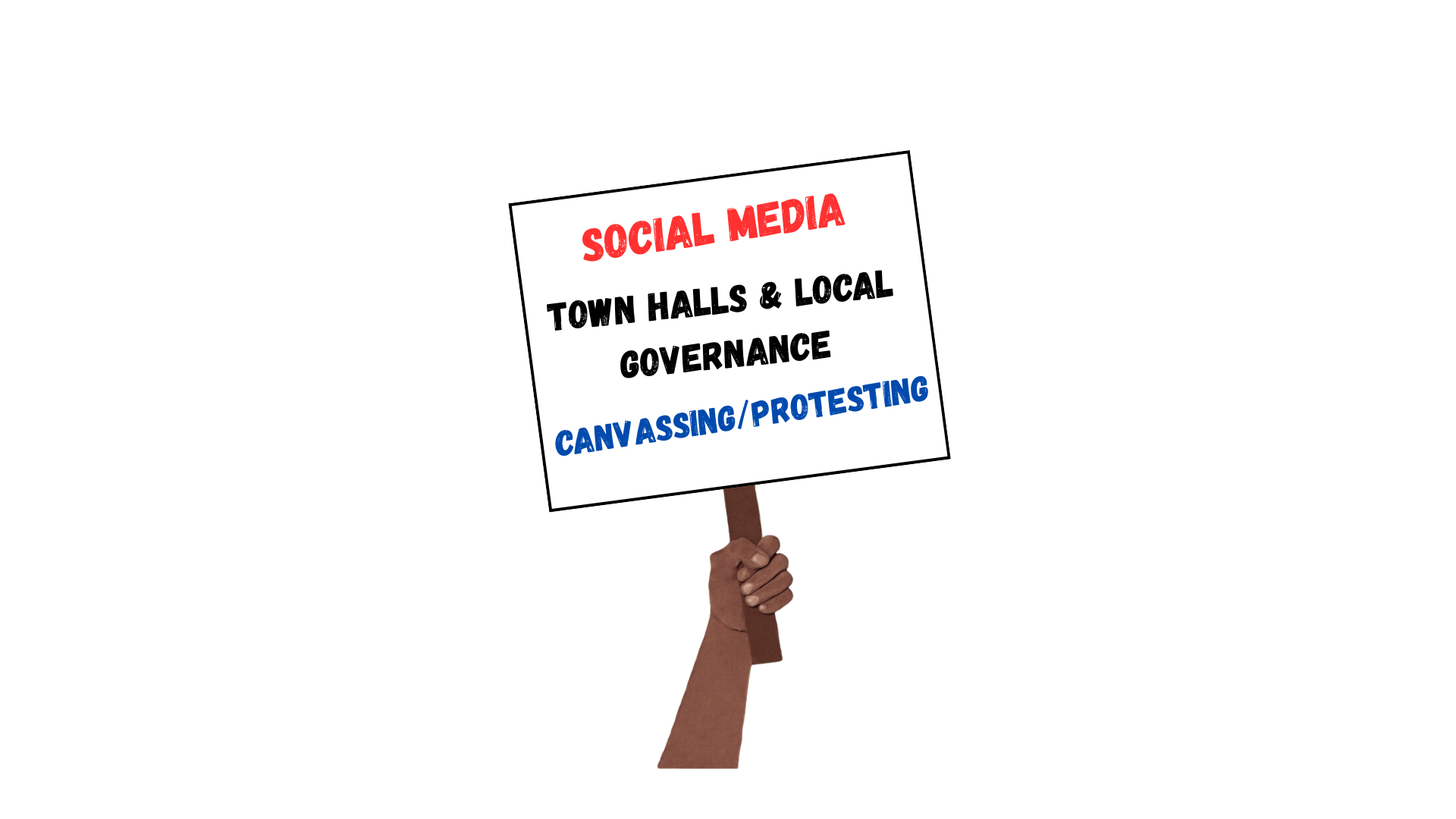
“Politics affects all of us,” social science teacher Rick Rodriguez said. “We still live in a country where public opinion matters. Public activism matters. Citizens who drive the politics matters,”
At a time when our Commissioner of Education is threatening to fire educators for supporting walkouts and is reporting record numbers of absences due to students being too scared to even attend school, any additional support is valuable. That same support is what sends a message of solidarity to those who are at risk. Additionally, getting involved is a necessary step to getting out of the Trinity bubble. We are very fortunate to be attending Trinity, with many of us even being insulated from all that happens around Central Florida. That privilege also means that we are less likely to empathize with the people who most need it. It is necessary to get on the frontlines of student action because that is how we develop empathy and progress as a society.
“It definitely brings me hope that enough people came together to ring the bell in the state government’s heads or eyes or their building or whatever to be like, these kids are using their rights, and they’re unhappy,” Adelson said. “And that is the whole point of the protest to show that we are scared, and we are coming together to combat fear.”