Seemingly every morning, sports fans wake up to a new headline that makes their jaw drop: Shai Gilgeous-Alexander: $285 million contract, Shohei Ohtani: $700 million contract. Numbers so large they make other countries’ sports economies feel miniature.
Vasilije Micić, the top earner in Europe’s premier basketball league, the EuroLeague, earns roughly $5.6 million USD per year. In contrast, the 200th highest paid player in America’s National Basketball Association (NBA), Los Angeles Lakers center Deandre Ayton, makes over $8 million USD per year. The difference between the sports salaries in America and other countries is not reflective of athletic ability but rather of the culture’s emphasis on monetization.
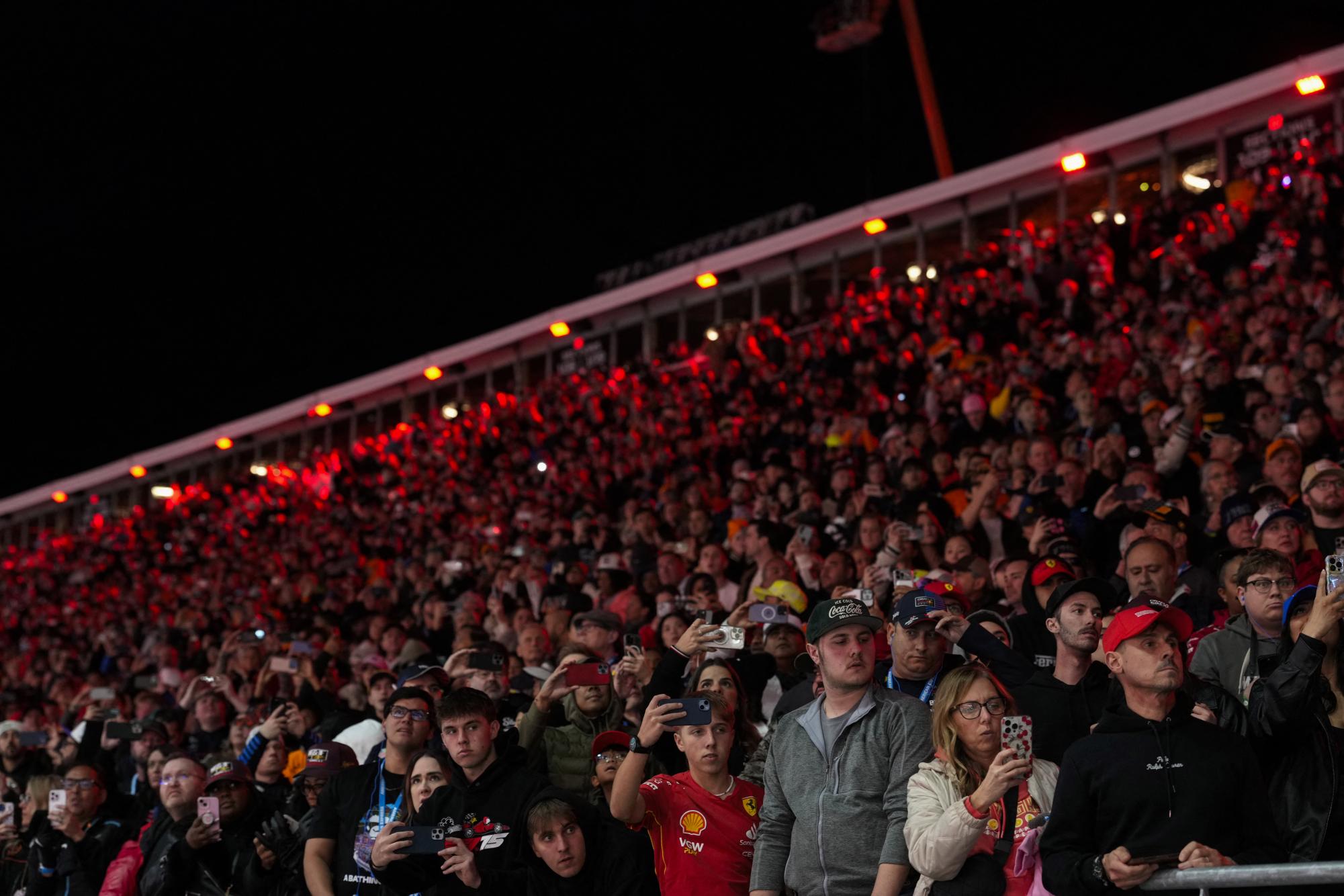
The money the star athletes make is a reflection of America’s commitment to sports liveliness. Tickets, merchandise and media are deeply integrated in American society, leading to widespread popularity in sports and massive consumerism.
“I think Americans are willing to pay so much money on sports because there’s something embedded in our culture,” said social science teacher Brandon Burmeister, who formerly taught economics.
The obsession with spending on sports has created something uniquely American. While most countries play in international matchups, American sports mostly stay national, forming a uniform cycle of teams and profits.
“(Americans sports have) their own ecosystem that’s separated from the rest of the world,” junior Uzbek Asad Sadikov said. “In soccer, (matchups) could be a Spanish team versus a British team, but in the United States, it’s only like American teams playing against each other.”
Franchise owners make money from an isolated system by not sharing profits with foreign teams. Without foreign competition, they can raise ticket and merchandise prices. Because there is already a high demand for sports in America the inflated prices stick, leading to greater profit margins for executives who capitalize on loyal fans by increasing ticket and jersey prices.
The NBA only plays in America, yet they are considered the premiere basketball league in the world. Varsity Basketball Head Coach Michael Davis notices how this separation feeds into the business side of sports, where athletes are viewed less as players and more as business assets.
“Athletes are seen as investments,” Davis said. “The players are there to make the executives and owners profits.”
This focus on profit is shaped by American culture itself. The spending habits of fans influence the decisions of executives, guiding how they manage teams, set prices and market their athletes and teams.
“It feels like sports are based on money now more than ever,” Burmeister said. “Everything is about money all the time … at’s kind of the nature of the world right now.”
The effects of American consumerism have affected high school athletes and their ability to play sports. e quality of the players has suffered as the cost of playing sports rises.
“American culture is really harmful to youth sports,” Davis said. “It’s actually watering (it) down. From a quality standpoint, there are a lot of people that are using, manipulating kids for financial gain. Big companies are capitalizing off of naive parents and kids, certain names like AAU.”
The cost of youth sports reflect a broader trend in American culture — overspending on sports fuels the economy, letting athletes earn millions of dollars without making a true impact on citizens on a macro level.
“Overpaying athletes is 100% American culture,” Davis said “Teachers, doctors, lawyers have so much more pertinent roles in society. It’s hard to really justify the level of what they’re making, but people are willing to pay for it. If people are willing to pay that much, that’s another issue.”
Ticket and merchandise prices continue to rise because American culture justifies it. The love for sports keeps the money owing due to the understanding owners and executives have of the hold sports on Americans. With a monopoly over the market and knowing fans will pay any price to enjoy sports, they are enabled to raise ticket prices without the American public batting an eye.