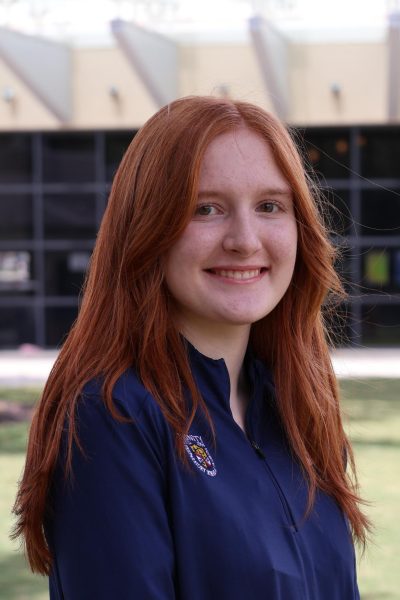
In the middle of the Quad, seniors and sixth graders gather in a circle to pass around envelopes, each containing the name of their buddy for the year. This special moment of anticipation follows them through their time at Trinity, all the way until graduation, where the seniors once again form the circle to pass around envelopes containing their diplomas. These moving traditions of our campus thread the student body and faculty together across generations, creating lifelong memories and lasting impacts on the community.
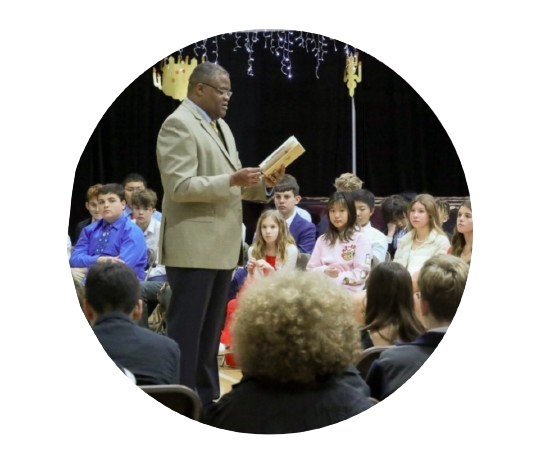
DICKENS DAY
Dickens Day is one of Trinity’s most festive and beloved traditions, combining a passion for literature with creativity. Each December, the campus is transformed into a winter scene representing Charles Dickens’s “A Christmas Carol,” where the seventh graders watch movies in the auditorium, dance and step into the spirit of the story. Seventh graders come together and sell handmade goods, where each shop features unique projects from decorated ornaments to peppermint fudge.
Over the span of many years, alum Hannah Schuttler and now English teacher recalls the various changes made to Dickens Day.
“Anytime you have a tradition where it has been going on as long as something like Dickens Day has, … you have an entire generation of adults now who have experienced something similar,” Schuttler said. “And those people, whether they knew each other on this campus or not, they can have conversations about that experience.“
HEADMASTERS DAY
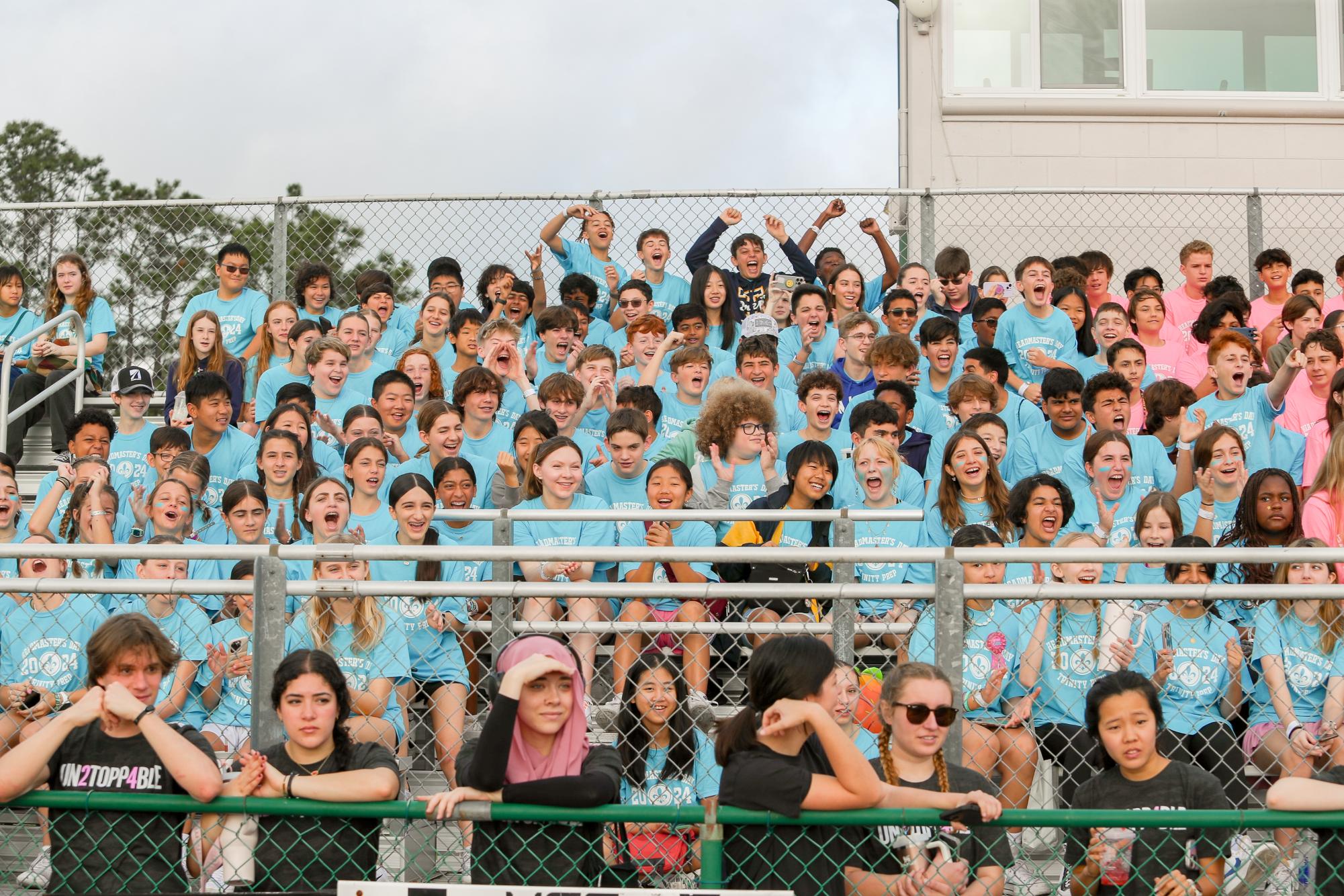
Celebrated between March and April, Headmaster’s Day is a day filled with activities that celebrate school spirit. It was a tradition founded by Canon Hay after the football team won its first game, and continued as a day to celebrate all of Trinity’s headmasters. The suspense of the surprise and the fun assembly announcing the day brings a wonderful atmosphere to the campus.
Headmaster’s Day has always been an exciting experience for the faculty and student body, both in the past and present.
“I remember it was a huge day because the headmaster … would announce that we were having Headmaster’s Day, and everybody freaked out because it was a day off,” Nocero, alum and now volunt
eer of the Patron of the Arts said. “Everybody knew it was going to be fun, and every year, it kind of morphed into something different.”
Headmaster’s Day has shifted over time, starting from the rope pull between the juniors and seniors and evolving into the color wars, but the purpose of bringing students together in celebration has stayed consistent throughout the years.
“I think traditions are important because they’re something that you can look forward to, and it’s a time where you can reflect as you get older,” Nocero said. “And that’s the beauty about traditions, is you can repeat them but make them your own.

PAINTING NUTTY
The unofficial Trinity mascot, Nutty the Elephant, has been around since the founding of Trinity. Every year, Nutty the Elephant, who is normally displayed in the library, is painted by one of the senior students and wheeled around at graduation to be shown off.
Art teacher Irina Ashcraft, who has been working here for around two decades, has always loved the suspense of this tradition.
“The tradition of an art student, a senior, being picked at the end of the s
chool year to paint the elephant isn’t known to everyone else but that student in the administration, and then it’s a surprise,” Ashcraft said. “So that student closes the procession at the graduation with the Nutty rolling out, and that’s cute.”
The painting of Nutty unites the community in a unique way, using visual representations, such as bright colors and flashy accessories, to show the school spirit and allow students to reflect on how they see traditions.
“Art is something visual, and sometimes traditions are just actions, but it’s fun to see how they are visually expressed,” Ashcraft said. “It makes the traditions more obvious.”