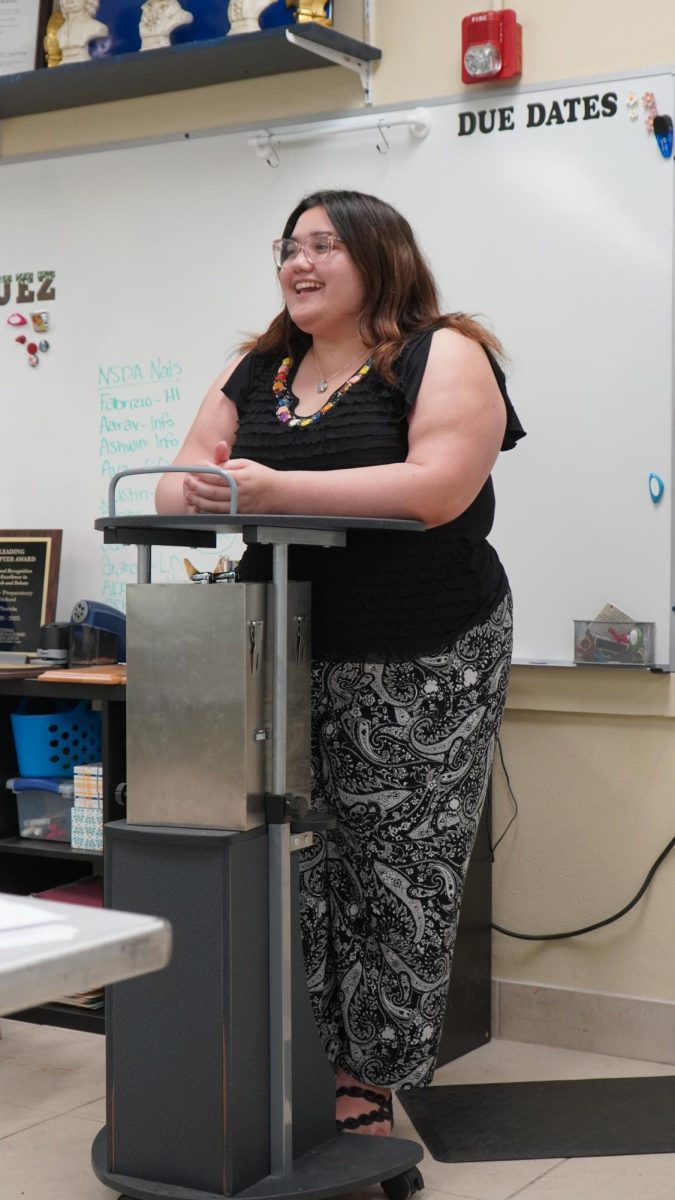
After building a classroom centered on discussion and community in her first year of teaching, English teacher Kendra Payne is leaving to pursue graduate studies at the University of Central Florida. Though new to teaching, she quickly found meaning in the relationships she formed with students and colleagues in Trinity Prep.
“The most meaningful part has been forming a really wonderful community here,” Payne said. “Teachers have helped me settle in, learn the ropes at Trinity, get to bond with all the students and form nice close-knit classrooms that are successful.”
To build that environment, Payne relied on simple but intentional daily routines that encouraged participation from every student. One such routine was the “attendance question,” where she would ask students a prompt about anything, from basic preferences to thoughtful reflections, giving everyone a chance to speak and be heard at the start of class.
“It was a silly way to get to know everybody in general, and I got to hear everybody’s voices at least once a day,” Payne said. “I think it helps break the ice in the classroom before we get into the more logistical part of learning.”
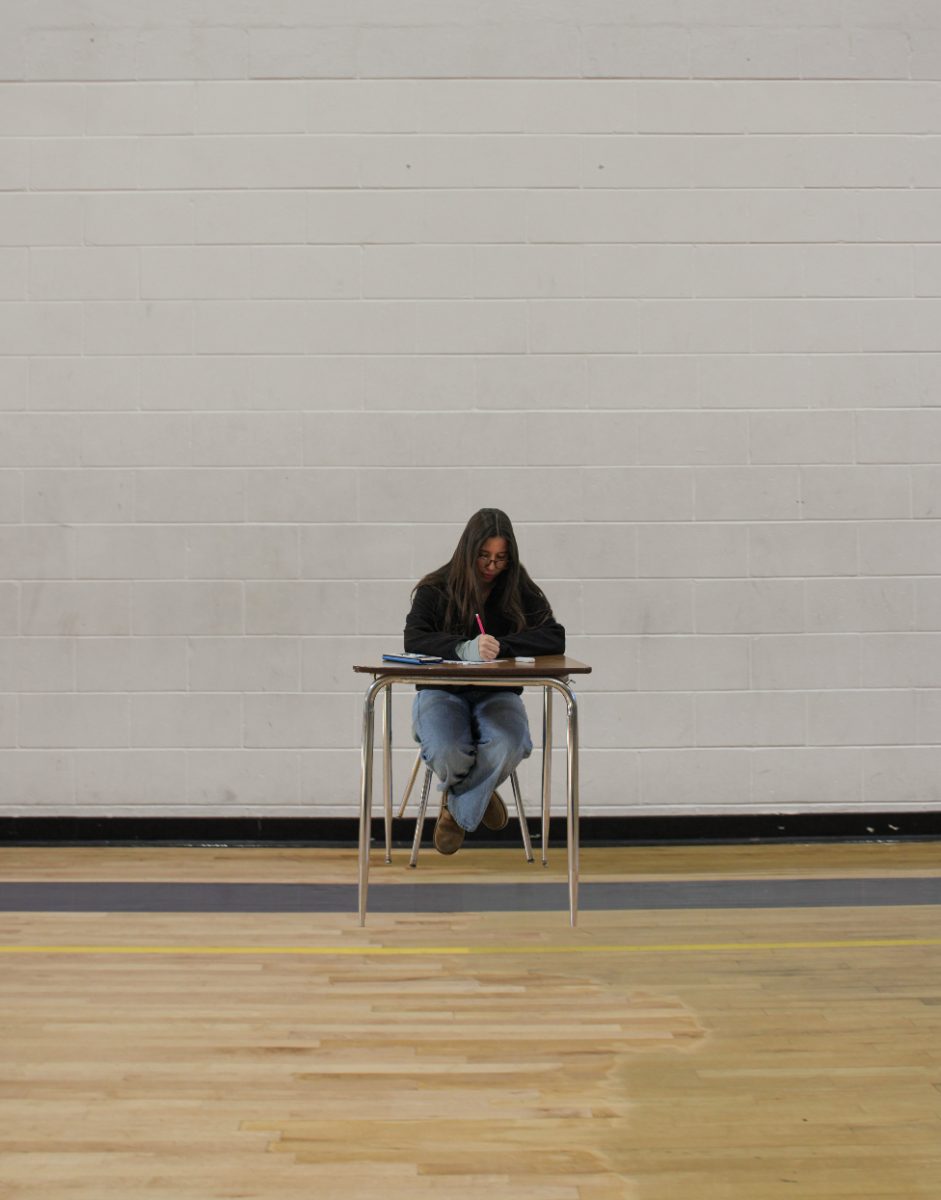
Her approach to instruction followed the same philosophy. Instead of relying on lectures, Payne structured class around discussion-based learning, arranging desks in a circle to encourage conversation.
“I think the circular situation of the desks helps to establish a more conversational teaching style rather than me standing up there and saying, ‘Here are all the things that you should notice,’” Payne said. “Watching students be able to puzzle through things together because you can actually see who you’re talking to.”
This Socratic teaching style allowed students to fully engage with one another’s ideas and create meaningful discussions.
“I would have students really engaged in conversation in terms of debating back and forth with each other,” Payne said. “(When they would) actually feel confident and comfortable enough to disagree with someone and produce why, that always stood out to me.”
She integrated lecturing, projects, and individual work into her lesson plans which emphasized collaboration. This also shaped how students were able to experience her classroom on a daily basis. .
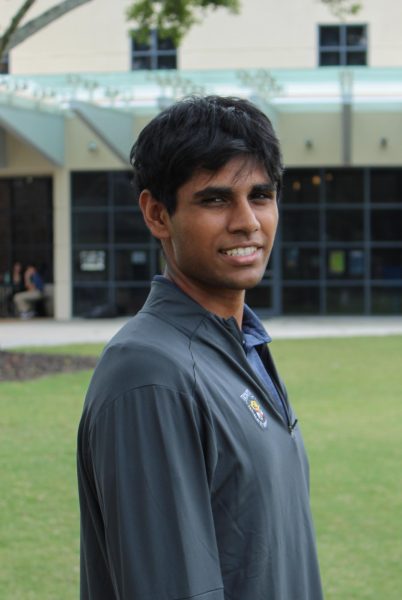
“Payne is definitely more of a teacher who would stand up and teach you,” sophomore Kirsten Olson said. “She likes to do group assignments and lets you work with partners to really understand what’s going on with the subject.”
Beyond collaboration, Payne’s impact was most evident in how she validated and developed student thinking.
“She never tells you an idea is wrong,” Olson said. “She always makes sure she understands your point of view of the topic and then she adds on and explains different details that you can say to integrate it into what our conversation is.”
As the year progressed, Payne was able to grow in her role as a teacher and become more comfortable.
“When I first started teaching, it was terrifying,” Payne said. “It’s not easy to get up in front of everybody and be trusted with the responsibility of your education. I still hold that responsibility now, but I think that I’ve kind of settled in and I feel more confident now in what I’m doing.”
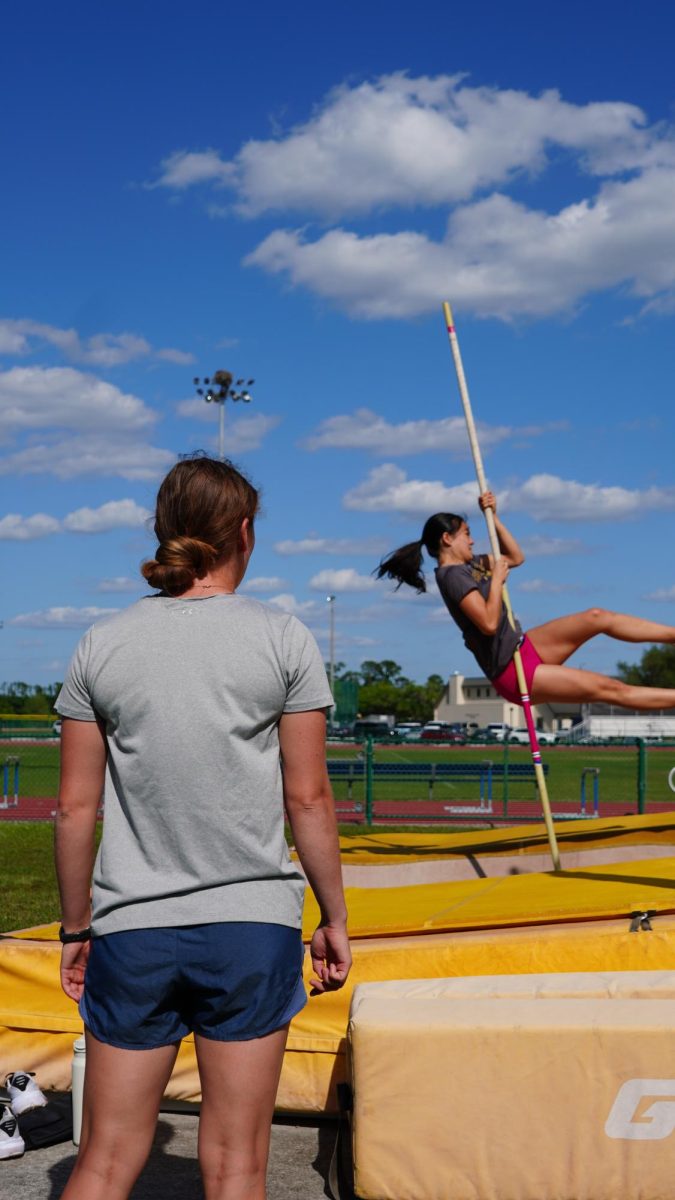
Beyond the classroom, Payne also coached middle school cross country and varsity track, including pole vault. Drawing on her own experience as a collegiate track and field athlete, where she specialized in pole vault, she emphasized safety and gradual progression when introducing the event to students.
“You have this big stick and someone says, ‘run at this metal box in the ground and jump super high,’” Payne said. “ It’s scary to think about (so) we just broke down the process. The first two days, we didn’t do anything more than two total steps before jumping into the pit. We did things without the pole just to get comfortable with the idea of each individual process.”
Payne’s emphasis on patience and gradual progression not only shaped athletes’ technical development, but also helped them build mental confidence.
“Mentally, I feel like she helped me improve because she helped me understand that you don’t have to expect so much of yourself,” Olson said. “All you have to do is give it your best effort and that’s going to get you far enough.”
That mindset became especially important in challenging moments during competitions.
“I had a really bad injury on my hip and I couldn’t feel my leg at all the entire time,” Olson said. “I hadn’t cleared the height yet and it was my last attempt. She was just telling me, ‘You just have to put everything you have into this vault. Run as fast as you can, jump as high as you can.’ And then I cleared it.”
Whether in the classroom or out in the field, Payne’s message of always putting in the effort remained consistent.
“I feel like with the way she teaches and the way she coaches, they both are similar (when she’s like), ‘I’m not expecting perfection,’” Olson said. “. I’m just expecting you to give me your best effort and try.’”
Although her first year began with uncertainty, Payne leaves with confidence not just in herself, but in the community she helped create.
“I hope they remember that it was a comfortable and safe environment,” Payne said. “It was okay to mess up or fail and keep growing.”