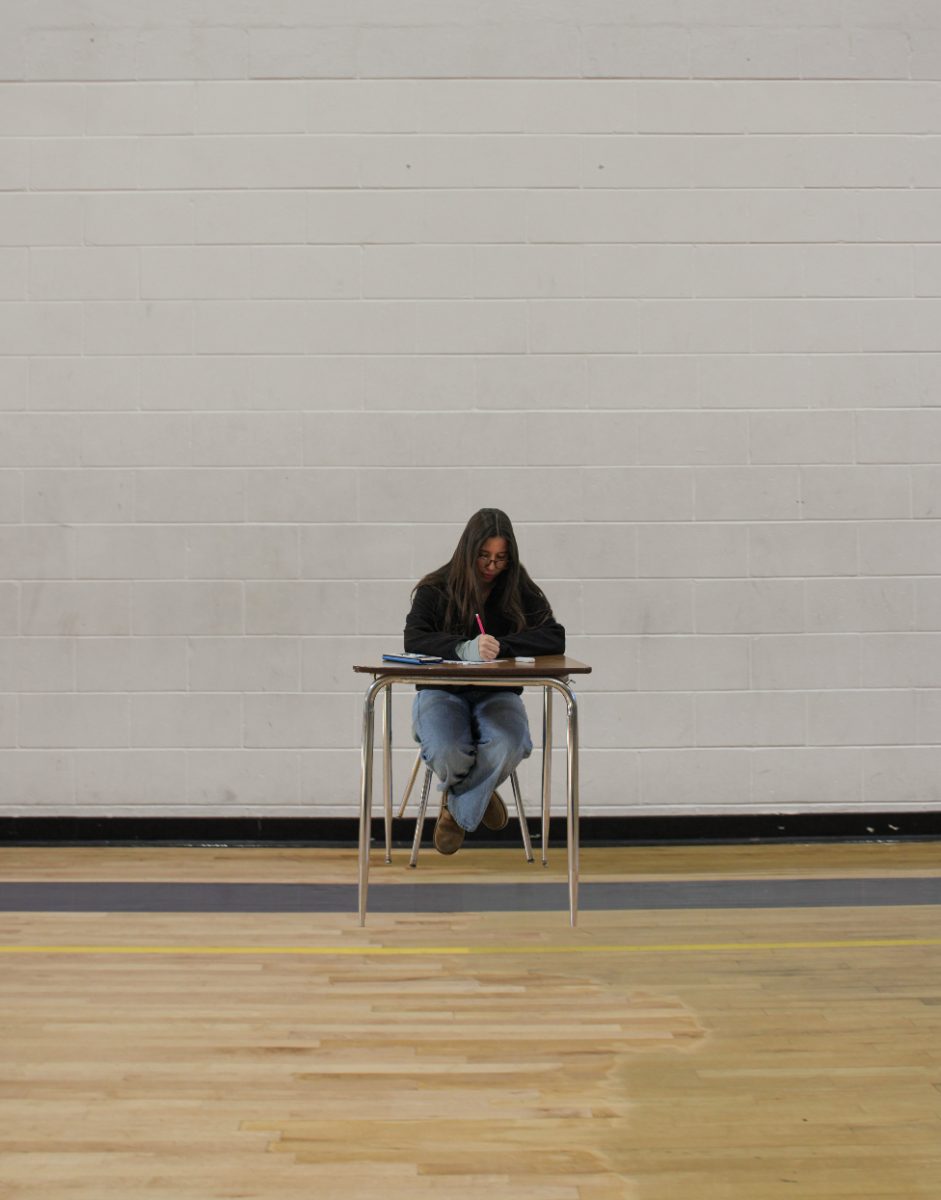
Last summer, as students received their schedules, a plethora of changes were revealed, the most notable being the shift from a traditional ABCBC week to an AABCA week.
The motivation for the change boiled down to one central goal: to provide students and teachers with more contact time during the week. With the new schedule, students meet with their teachers four times each week instead of three, which proves especially useful in the math and world language departments.
“If you look at contact time across the entire year, it increases the amount of time that teachers have with students as opposed to the (old schedule),” Assistant Head of School Dennis Herron said.
This change would also allow for a more predictable schedule.
“Predictability goes a long way in terms of students adapting to what the expectations are,” Herron said.
Having a similar schedule week by week would allow students to better plan ahead and anticipate their coming schedule. Though this seemed like a great way to make each week easier for students, that was not the case for everyone.
“I’m not a fan,” senior Sarah Cantwell said. “I feel like they take a lot of our breaks now on the A days, because they don’t have the extra middle block of the C day.”
Additionally, the new schedule has proven to be an issue in science classes.
“You just can’t do (labs),” Cantwell said. “I always feel rushed in bio when we’re doing labs, and I just don’t feel like we have enough time.”
This stress has been shared by many students throughout science classes. With the increase in shorter classes, many students need to stay after school to finish labs that they began in class.
Despite the mixed feelings about the schedule change, it is here to stay for the foreseeable future.