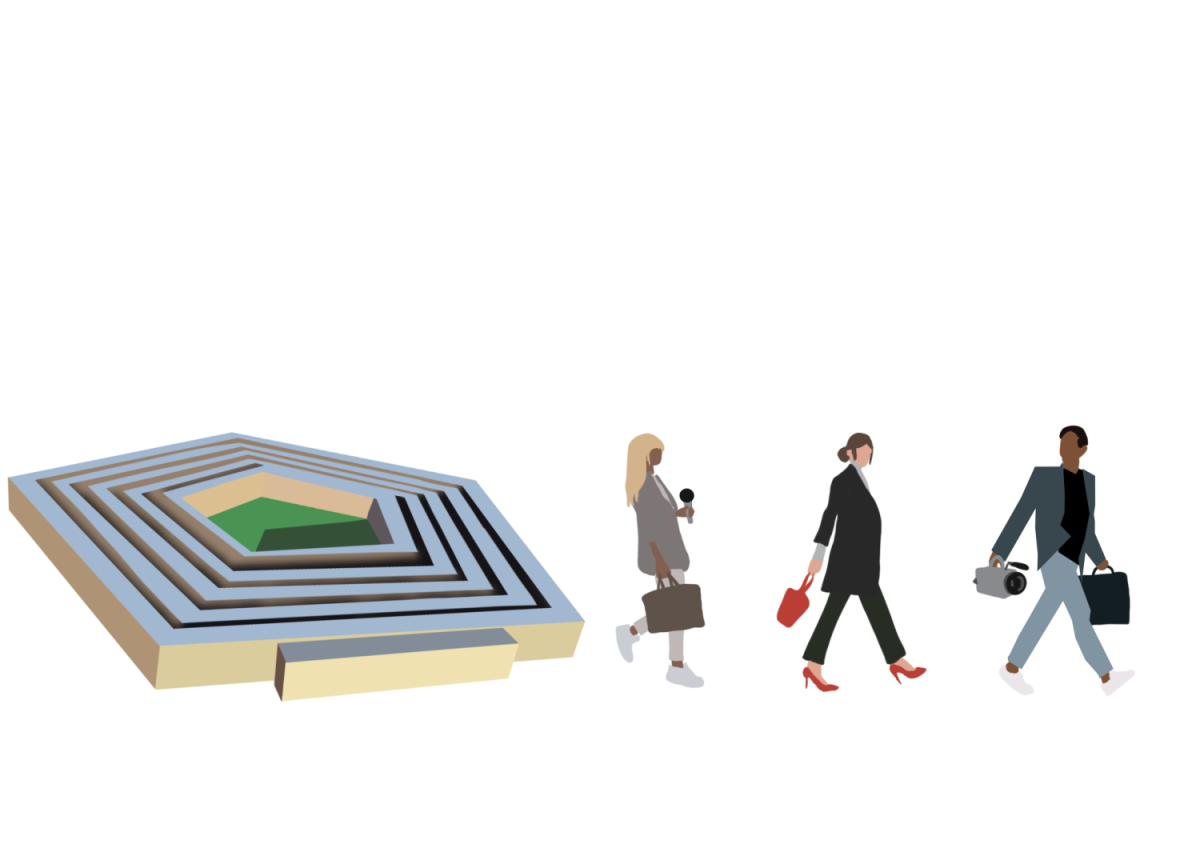
In October, nearly 50 journalists walked out of the Pentagon in protest of the new restrictions that were put on them by Defense Secretary Pete Hegseth. The new restrictions meant that journalists had to agree not to obtain unauthorized information, meaning all their pieces had to be vetted for sensitive information by the Pentagon before being published. Additionally, throughout certain areas of the Pentagon, they have to have an escort. The Pentagon’s restriction of what journalists can cover defeats the objectives of journalism and makes it harder for citizens to get trust worthy info.
Many major news organizations like Fox News, CNN and the Associated Press believe the new policy includes too many censorship
rules and violations. In response, they pulled their offices from the Pentagon.
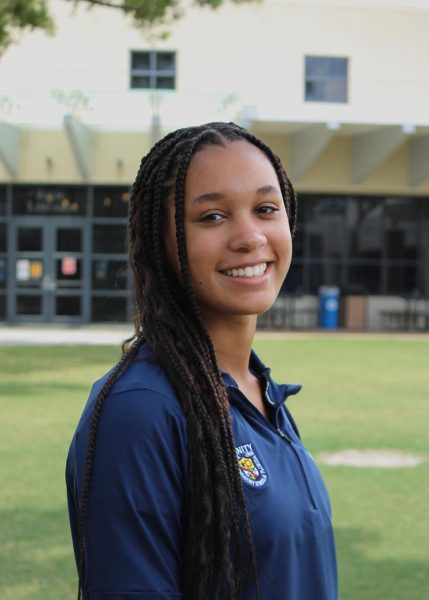
“I think that is the first step towards more censorship, especially in administrative positions and government organizations,” junior Caitlin von Weller said. “Without having an inside look on the real workings and what’s happening in our country, we’re not going to be able to hear true opinions. It’s going to be the government’s opinion.”
News organizations still need to get information in order to produce their media. With these new restrictions come new complications in obtaining information.
“The major concern has been they’re having to do more work of getting their stories from afar (and) getting their information from not being directly in that seat of power in the Pentagon, which poses some challenges,” UF professor of journalism Antoine Haywood said.“But it’s ramped up efforts to be more critical and more observant.”
According to the News Literacy Project, a nonprofit organization that educates students and teachers about current events, the Pentagon states that soliciting unauthorized information is not protected by the First Amend ment, but press freedom experts disagree.
“This is something that happens higher than the average citizen, but it is going to slip into our radius, our area of knowledge and under-
standing,” English teacher Ann Skippers said.
“I think it’s a screen between truth and propaganda at this point, and we’re just not going to be well informed. It’s going to create pockets
of dissidents with that even more than what’s already there.”
Lawsuits have also been led against the New York Times and e Wall Street Journal, and Trump has pushed to cut funding for government-run media services. More and more policies restricting what and how journalists can report and what information they can include could hinder the number of people interested in majoring in journalism or cause people to think twice.
“The risk involved with people’s well-being in terms of being able to cover a lot of emotionally exhausting stories … everything from immigration to the political whiplash that is happening within DC, that is exhausting as a reporter,” Haywood said. “There’s also the precocity of the industry, of it’s still not stable. You’ve had an increasing amount of newsrooms that on a large scale have closed their doors or discontinued beats, so how do you even sustain yourself? Where is there even a job there? Which way can I go? So there’s a threat to me just doing my job.”
Lack of transparency from the government causes people to feel nervous about what proceedings are taking place within the Pentagon.
“It sets a scary precedent,” Skippers said. “It’s the First Amendment for a reason. We created this country in order to be able to speak our minds and to be able to communicate. The press was created in order to serve the people who hire those in charge. In essence, the government is hired by the people based upon our constitution, our Bill of Rights, everything. Having those that work for us dictate what we can know is a very scary and slippery slope because then we don’t actually know what’s happening with the people that work for us.”
Journalists are still working hard to do their research and new credible sources to keep the public informed about the government, including the information the government does not want the public to know.
“I would say that it’s imperative for journalists to remain vigilant and to remain nimble,” Haywood said. “That is some-
thing that is needed in society. Even though we have this proliferation of platforms that allow a wide range of people to make their contributions and to give these diverse viewpoints, we always need to have a press corps that has that deep experience in finding credible information, reporting credible information, vetting sources and maintaining these ethical standards.”