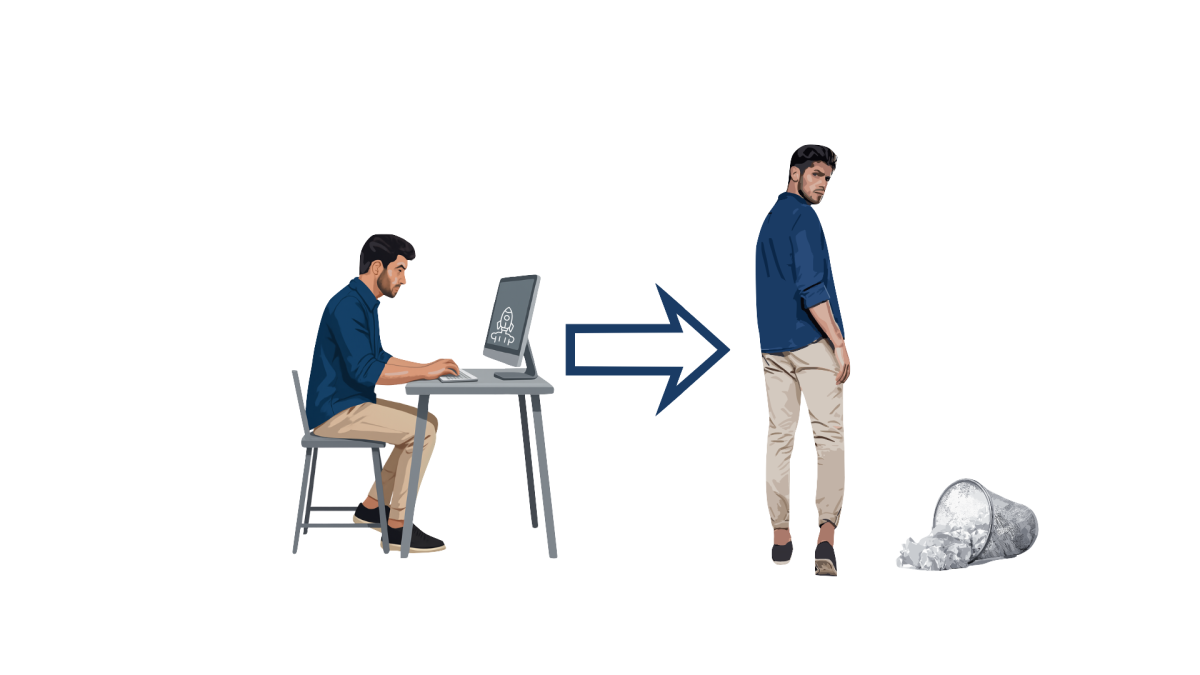
For many students, lunch is supposed to be a break in the day. However, for some, it has become a time to catch up on work. Students often have to decide between eating and finishing assignments, and that choice can affect both their health and their overall academic performance.
“If I could always have a lunch break with no responsibilities, I would probably choose my food all the way,”English teacher Steven Garnett said. “(I would) be better rested for the remaining classes for the day.”
Social science teacher Michael Brown specializes in psychology and has witnessed countless situations like this among students at Trinity.
“Once they run out of time, they’re going to panic (and) do it during lunch,” Brown said.
Pressure to perform well academically also contributes to making students feel like they need to use every free moment to stay on top of their work. Many students skip lunch because they feel overwhelmed with schoolwork.
“I skip one to two times a week, but sometimes in important weeks it could be even more,” sophomore Alex Barry said.
For many, working during lunch helps them prepare for tests or finish assignments they otherwise would not have time to complete. Learning specialist Chris Hempsted helps students stay on top of their workload.
“Making time to eat and stepping away from work allows you to be more focused when you come back to work,” Hempsted said.
While skipping lunch may be beneficial in the short-term, it presents negative effects in the long term. Over time, it can lead to stress, burnout and lower productivity. Barry personally noticed these effects.
“Skipping lunch sometimes depletes my energy faster, even though it gives them more time to study,” Barry said.
Even though working through lunch can help students get ahead, many believe balance is more important.
“Trying to work eight hours straight isn’t usually very good for your mental health,” Hempsted said.
Taking breaks, eating and spending time with others can often help students recharge. At the same time, students see it as a trade-off that is worthwhile.
“You’re trading off your lunch and some bit of energy in exchange for more information and knowledge,” Barry said.
In the end, students must decide what works best for them. Maybe, next time you think about skipping lunch, remember the voices of these people.