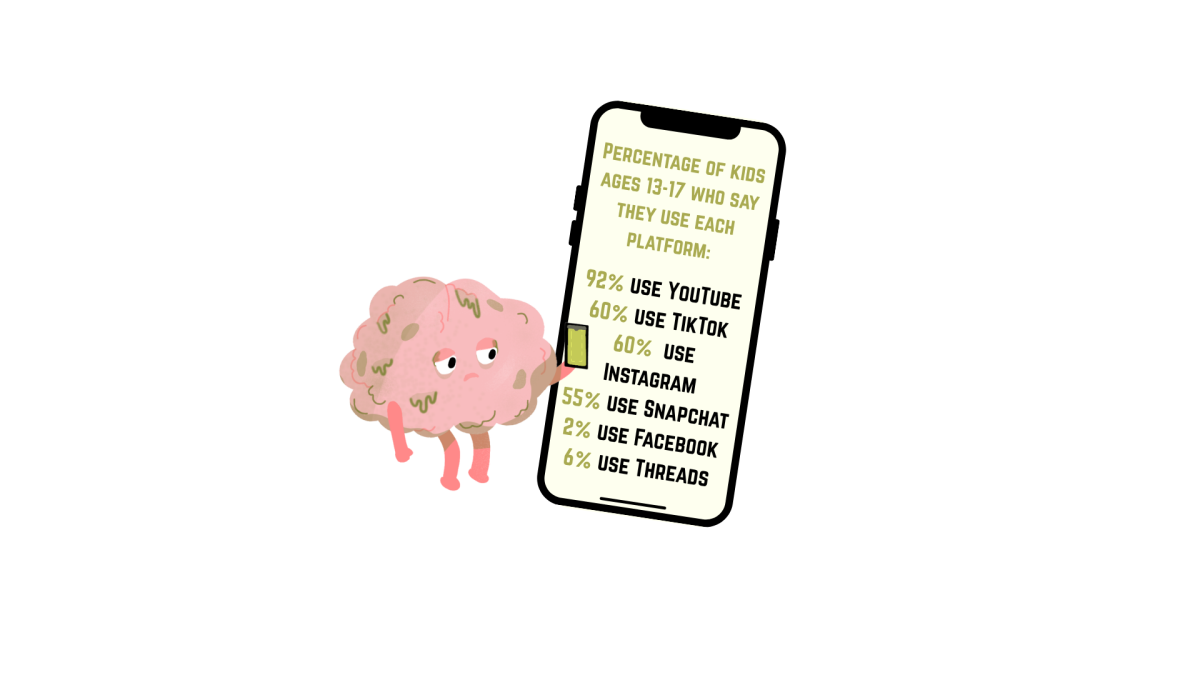
Meal prep, eating whole foods, hit the gym, repeat. If your social media feed is filled with influencers spreading similar wellness gospels and two-ingredient protein-filled recipes, you are not alone. In recent times, public and cultural perspectives have shifted toward a stronger emphasis on self-care and wellness. With that comes a greater eagerness to follow health trends and shift lifestyle habits to align with current trends as social media continues to proliferate them.
Research from Cornell University revealed in 2025 that one in five teens actively seek advice on social media platforms, in turn dictating their lifestyle choices based on these recommendations. Junior Brodie Wordell puts these trends into practice, most notably through his clean eating habits in the kitchen.
“I only cook in butter, olive oil and beef tallow,” Wordell said. “I usually just cook … pretty simple meal(s) for meal prep. I try to use lean ground beef or grass-fed, pasture-raised chicken when I can get it, and good natural rice from the Asian store that I go to.”
Lifestyle changes extend beyond the tangible, seeping into everyday decision-making and thought processes regarding health. While not all health trends are out to harm consumers, the status quo of widespread, often blind adoption of these trends, or “fads,” warrants greater caution and nuance in deciding which to incorporate into daily life. The possibility of influencers and brands promoting harmful products on large platforms remains ever-present when trends and addictive features exist.
“I would say (that for) a lot of the bigger food companies, I don’t really like to eat (them) anymore,” Wordell said. “Protein shakes are a big one. I used to drink the Fairlife Core Protein Shakes, and I realized how terrible those are for you. I have definitely changed in (that I’m) looking more into (the) ingredients (rather) than, ‘Oh, there’s too much sugar in this.’”
It is important to be able to look out for unhealthy ingredients in pre-packaged and processed foods and beverages, and popular content has focused on a “less is more” mindset when it comes to ingredients in both food and cosmetic products.
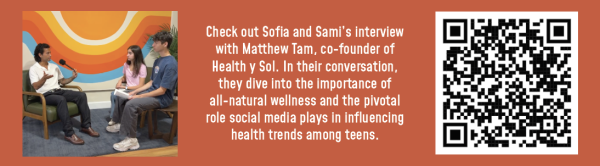
At Health y Sol, an organic skincare and wellness company on nearby Park Avenue, founders Matthew and Haley Tam have noticed that the 2,000-year-old tallow soap process they use is largely in line with broader, more recent social media trends. This reflects a shift towards a simpler, more minimalistic approach to health.
“However it came out of the earth or the tree or however it was processed and butchered, that’s how we should be eating it,” Matthew Tam said. “When it’s treated in this traditional way of breaking down those things that make it triggering, it’s much more digestible. … There’s no reason why you couldn’t have some well-prepared foods that are aligned with that ancestral outlook.”
While beef tallow is often associated with more down-to-earth cooking, Health y Sol is one of many wellness shops that have revived its usage in cosmetics and, specifically, cleansing products that can improve skin health.
“Where tallow is above other natural ingredients is in … its similar(ity) to the fatty acid profile of your skin,” Matthew Tam said. “What that means is your skin is being washed and cleansed with something that it recognizes, that it perhaps sees as its own. … For some people, (olive oil) … clogs your pores … whereas … tallow clogs much fewer pores than the other natural oils do. So I think that speaks beautifully to how your skin is really something that’s alive.”
But these trends do not emerge in a vacuum. Rather, the path towards ancestral wellness and clean eating begins with a scroll. From a business owner’s perspective, Matthew Tam notices unique patterns within Health y Sol’s customer base, postulating that starting to follow one trend often leads to a domino effect of increasing engagement.
“A good, healthy mix of (health trends falls into) the pattern that sends them off, like a gateway into discovering other (wellness things),” Matthew Tam said. “A lot of our customers have heard of tallow and are already using it in some fashion or avoiding seed oils, (so) … it is all connected. If you’re exercising every day, you’re probably doing other healthy things too.”
Social media’s influence can have both positive and negative effectson health and lifestyle choices. On one side of the coin, it can open the door to a plethora of different routines, recipes and more that one would not have known otherwise. On the other side, it can fuel unhealth obsessions and misinform individuals on important health decisions.
“Social media helped me get into the best shape of my life,” Matthew Tam said. “It has also influenced me into trying things that aren’t probably the best approach to try, like very excessive long fasts. I think (social media is) a good and bad thing, like how everything is, and when used in moderation and responsibly, it can work to your benefit greatly. It’s a new problem that humans face, and … it’s not going away.”
For Wordell, similarly, social media serves as a useful tool that allows him to better align his daily habits with the health trends he believes hold water.
“I would definitely say social media has been more eye-opening to places I can go that do not have seed oils, like Cava,” Wordell said.
While social media can be an outlet for finding inspiration to improve your lifestyle, it is important to take a step back and reevaluate the broader context of wellness. Influencers often hide behind a façade of an ideal lifestyle, masking the time, dedication and reality of getting to their position.
“People see influencers making this meal that might be well-rounded … and that they’re very lean … but they don’t take into account all the other work they’re probably doing, like exercising, maybe it’s genetics,” Orlando Regional Medical Center nutritionist Melissa Cockley said. “It’s not a quick fix. It takes work and discipline.”
Regarding trends, Wordell values research and awareness, boiling social media down to two key elements: simplicity and consistency.
“Don’t overcomplicate it,” Wordell said. “Keep it simple. Just eat clean foods. If you have questions, ask. … Have one or two people you really listen to, and follow their program. But also do your own research (and) don’t make blind decisions.”
Whether for better or worse, social media has played a central role in the health consciousness that defines Gen Z.
“There’s no generation that is going to the gym more, doing more running clubs, thinking about protein more,” Matthew Tam said. “It’s going to lead to a very healthy generation … and we’ll just have to see what … humans are capable of, because really once you unlock a certain level of health, you’re able to manipulate it to whatever you want.”
Regardless of the noise social media brings into our daily lives, it is important to zoom out and not solely focus on the latest fad or trend. Rather, by building a routine around what brings you joy and makes you feel your best, improved health and happiness is much more likely to follow suit.
“You are going to be healthiest and happiest … in this world … wherever you find fulfillment,” Matthew Tam said. “You want to do what makes you happy … and what’s going to … give you more strength … to pursue those things in better health. … (You need to) look at your life holistically and with every input from your relationships with food, people, environment, what goals you’re working towards, spirituality, that all matters.”