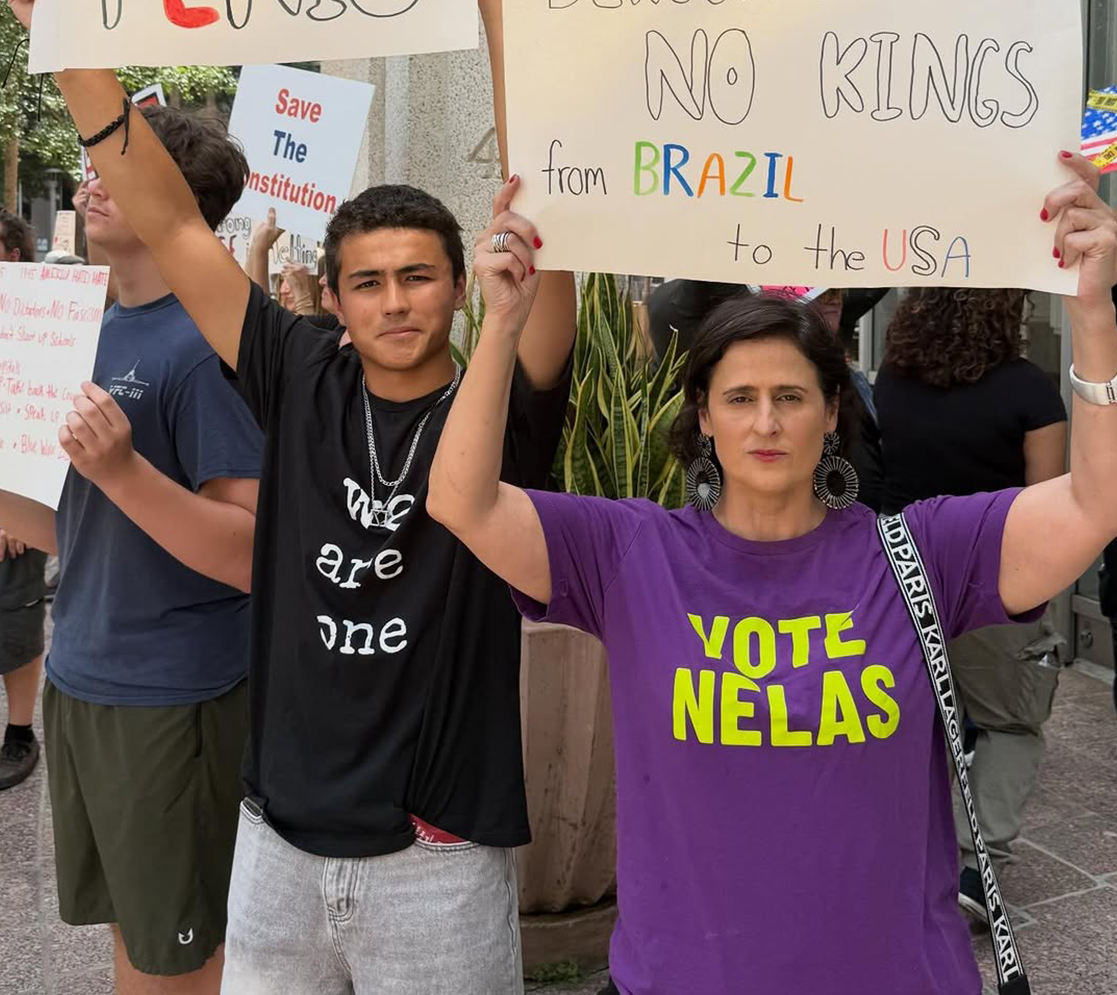
At Trinity, some students are finding their voice before they ever step into a voting booth, spreading their ideas in classrooms, on social media, and even at protests or public events. While they cannot vote yet, they still know their opinions matter. For many, it is not just about the future. It is also about making a tangible impact right now.
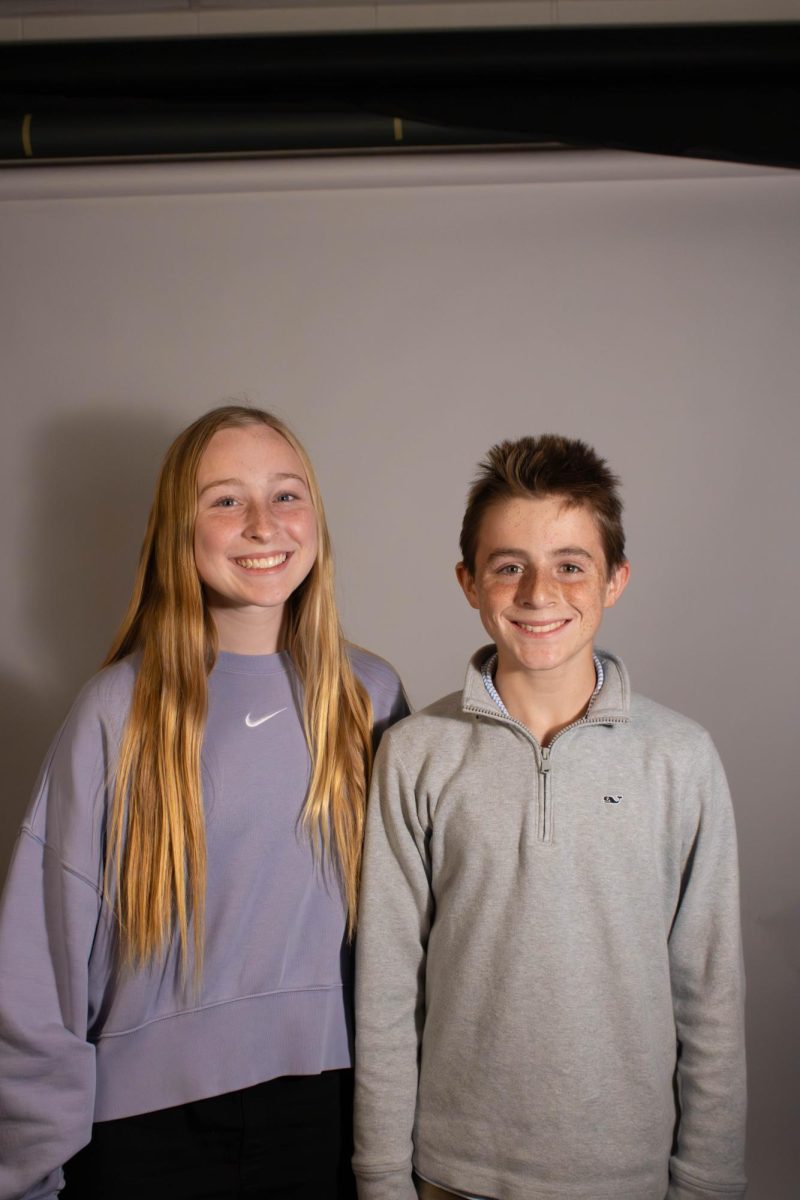
“I’ve always been interested in things that I haven’t had the chance to learn about in school,” freshman Carson Wiener said. “Politics are very interesting. There’s a lot of different factors involved, a lot of policies that are very important.”
For a lot of students, that kind of curiosity is where it all starts. Wanting to understand what is going on in the world pushes them to look deeper, ask questions and form their own opinions. Over time, that curiosity turns into confidence.
But speaking out is not always simple. Wiener explained that while school can feel like a safe place for discussion, the real world can be different.
People are often biased, and sharing opinions can come with risks. Even so, Wiener believes it is important to express ideas, because without that, no one would ever hear new perspectives or ways of thinking.
For freshman Enzo Kuada, having a voice is about impact, even if it starts small. He believes that everyone’s opinion matters in some way, especially when it influences the people around them. Through conversations with his peers, Kuada said he has been able to help others become more informed about political issues and think more deeply about what they believe.
Kuada is also not afraid to take a stance on major issues, such as current immigration policies.
“I think it’s really not on the right side of the law, what we’re doing right now with ICE,” Kuada said. “I think it’s definitely something that needs to change and soon, and drastically change as well.”
At the same time, Kuada believes that how people communicate matters just as much as what they say. He focuses on staying calm during disagreements and keeping discussions respectful, even when he strongly disagrees with others.
Kuada worries that some students feel pressure to base their identity entirely on politics at a young age. He also mentioned that social media algorithms can influence what students see and believe, without them even realizing it.
Teachers also see both the positives and negatives of student political involvement. Social science teacher Brandon Burmeister believes that while it is good for students to be informed, it is important to keep a sense of balance.
“Be a kid,” Burmeister said. “You have the rest of your life to be political.”
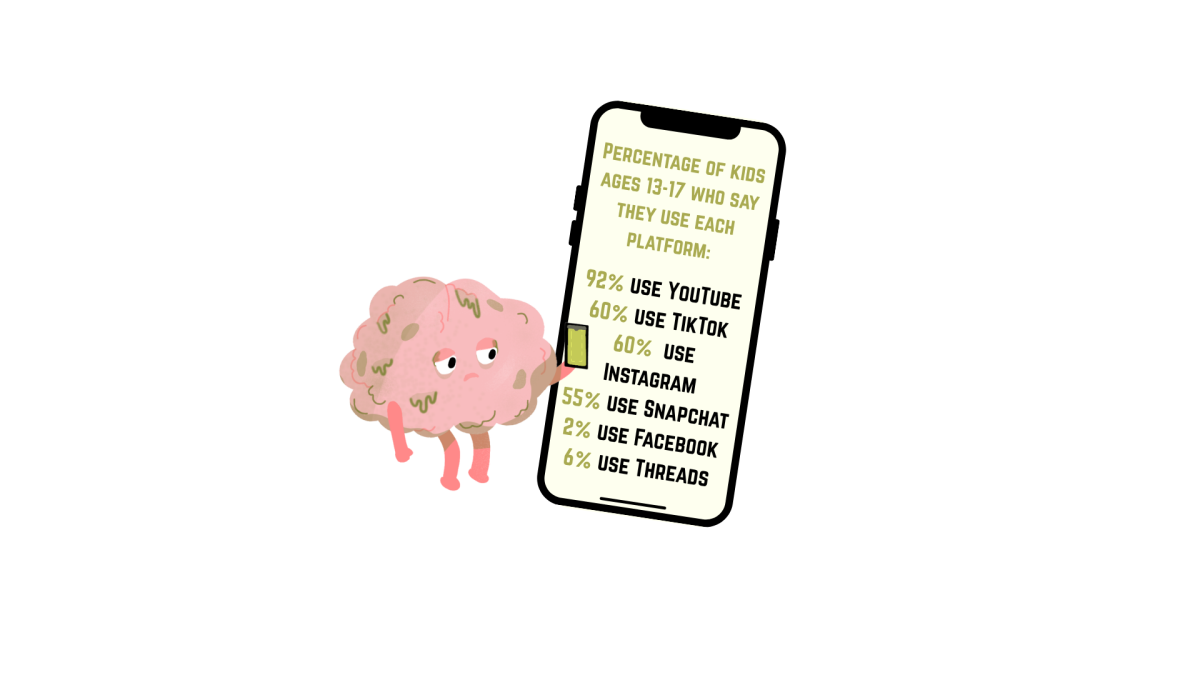
Social media plays a huge role in shaping how students get involved. Platforms like TikTok and Twitter are often where students first learn about political issues. While these apps can quickly spread information, they can also be misleading. Wiener pointed out that students should not rely only on what they see online, but should take the extra step to research the topics.
“The two that I’m always most worried about are Twitter and Tiktok because the algorithms on Twitter are blatantly far right,” Burmeister said. “And then Tiktok’s algorithms work so fast that it’s almost impossible to keep track of what the end game is.”
Because of that, he believes students should question information and think independently.
Even with these challenges, ]students continue to find ways to make their voices sheard. Brady Graham, senior at Boone High School and development director of the Florida High School Democrats (FLHSD), has seen how powerful student action can be when people come together.
“We got news attention, helicopters over our school,” Graham said, referring to a student walkout. “It truly showed what high schoolers believe in.”
Experiences like that show students that they do not have to wait until they can vote to get involved. From protests to speaking at events, there are many ways for students to participate and make an impact now.
“Obviously, me by myself, I can’t overthrow the government,” Kuada said. “But I do think my voice matters. … Everyone’s voice matters.”