26 grams of protein. 170 calories. Natural flavors. At first glance, this may seem like the perfect snack to hit your protein goals, until you realize the missing descriptor — the one that food engineers hide from marketing, influencers ignore and your friends do not understand: “ultra-processed.” Unbeknownst to many, the majority of these high-protein health snacks are simply ultra-processed treats marketed to seem like miracle foods.
Everyone consumes some form of processed food in their everyday lives, as “processed food” is defined by the U.S. Department of Agriculture as “anything that changes the fundamental nature of an agricultural product,” such as freezing or juicing an apple. Ultra-processed foods are an entirely different story.
“Ultra-processed foods are good for no one,” nutritionist Jayne Wasyliw said. “There’s truly no nutritional benefit to putting them in your body.”
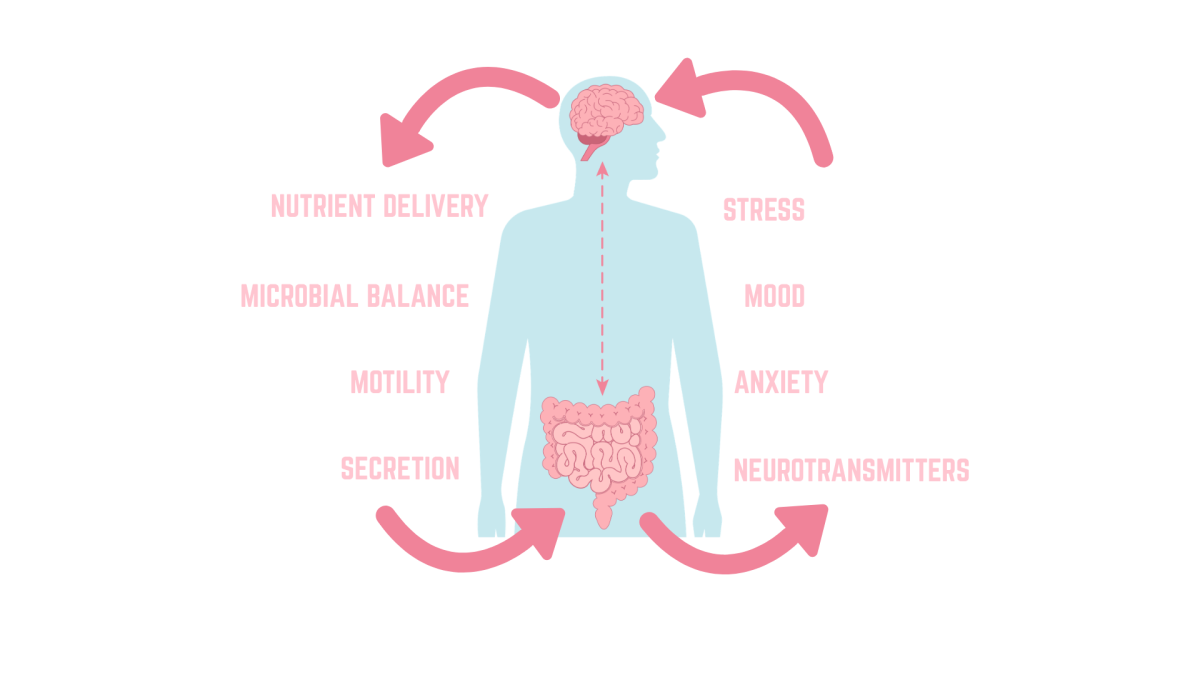
These foods are manufactured in factories to make them taste good enough to ignore the risks on the back of the package. According to Yale Medicine, the long ingredient list primarily includes “substances … extracted from food or derived from hydrogenated fats or modified starches.” Many of these additives are harmful to the body, leading to gut issues or other inflammation, but companies know this, so they add enzymes to make it easier to digest these products.
“There’s cellulose gel, there’s cellulose gum and there’s carrageenan … those (are) thickener agents,” Wasyliw said, referring to the contents of the Fairlife Core Power Protein Shake. “Those three can actually … degrade your gut. They know that gel, gum and carrageenan can hurt your stomach, (so) they put a lactase enzyme in there (to make you) want to drink more of it.”
Companies do not want their consumers, you, to find out about these modifications. Luckily for them, they are extremely good at concealing this information through tactful marketing, aimed pointedly at teens.
“When you see someone that you follow … promoting a product … you think they look healthy, they look happy and you like them, so you want to try whatever they’re doing,” Wasyliw said. “It’s a huge business. What people don’t realize, because it’s not talked about, is that these influencers are getting paid to push these products. I can tell you from the inside world, there are some influencers who push products who don’t actually eat them.”
Marketing for ultra-processed foods is endless and very successful due to its discrete nature. While scrolling, teens see hundreds of hidden ads from their favorite influencers, promoting products with no scientific reasoning behind them.
The bright colors and carefully chosen wording of the product packaging is no mistake either. Packages often advertise popular flavors, like mint-chocolate chip or cookie-dough, and are filled with bright, fun colors to hide the product inside.
“(Teens) definitely follow the marketing and like the taste,” junior Thomas Hoskins said. “None of my friends care about the actual nutrition.”
Companies also use buzzwords like “high protein,” “natural flavors” and “no sugar” to conceal the real meaning behind their words, knowing their consumers will not think to check the ingredient list.
“(I have) two (Core Power Protein Shakes) a day, in the morning and after school … it’s a good way to get protein in, and it tastes good,” eighth grader Eiden O’Farril said. “No, (I do not look at the ingredient label), I just look at its protein. That’s it.”
Many young people are not aware of the risks associated with many of these products and do not know where to find information to make better decisions for themselves.
“That’s why being a really good label reader is really important,” Wasyliw said. “You can look at the front of a package, and it could tell you it’s all natural, it’s healthy, it’s full of great stuff … but when you turn it around and look at the ingredients, the calories, the dietary fiber, the sugar, all of that, you’re like, ‘Oh no, this does not look so good.’”
Decoding an ingredient or nutrition label can be tricky, since vagueness is what these companies rely on, so it is the consumer’s responsibility not to let the corporations get the best of them.
There are three main numbers to find: The first to look for is the dietary fiber. Fiber is a very important carbohydrate that the body does not digest, and it instead maintains the body’s blood sugar level and aids in digestion.
“Fiber is so incredibly important in a teenager’s life, in everyone’s life, but teens, for sure, do not get enough fiber,” Wasyliw said.
The second thing to find is the total protein, which is directly listed on the nutrition facts. The ideal amount of protein in each product depends on the type of food, but in general, a teenager’s diet should consist of 10-30% protein, or 0.5 to 0.8 grams of protein per pound of body weight. Social media has also created a large emphasis on consuming protein, but it actually makes up for the smallest amount of a person’s diet.
“(My friends) want to get protein in,” Hoskins said. “But they don’t really care about all the specifics of sugar and other added ingredients.”
The final component is sugar. Oftentimes, people do not realize how much sugar they are consuming. According to Yale Health, the average American teen consumes around 136 grams of added sugar in one day, over five times the recommended 25 grams. Ultra-processed foods hide large amounts of added sugars to improve taste, making it easy to unknowingly exceed this limit.
After considering the nutrition facts, it is important to look at the ingredients.
“If it’s a laundry list of ingredients on the bar, then you don’t want to eat it,” Wasyliw said. “Especially if you can’t even pronounce some of the ingredients on the label, you certainly don’t want to eat it.”
This method can be applied to a popular Grille item: the aforementioned Core Power Fairlife Protein Shakes. Its net fiber is 4 grams, it has 5 grams of sugar and it contains 26 grams of protein. At first, it does not seem terrible. However, looking at the long ingredient list, there are multiple gums, gels and additives that are harmful to digestive health.
“I think there’s better options out there that could be offered,” Wasyliw said. “There’s definitely options out there that are better for you with better ingredients than any of these.”
By looking beyond the catchy advertisements and into the details of the nutrition label, you can discover the truth about what you are consuming. Be wary of colorful marketing and influencers, and check every nutrition and ingredient list before purchasing a new product. Ultimately, the carefully crafted advertisements have no power over a conscious consumer.