The brain is for thinking, the stomach is for swallowing and the arms are for picking things up. These body systems may appear to be unrelated, and at first glance, their jobs certainly aren’t similar. But what some people fail to realize is that the body isn’t a sac of dis
associated biological structures, each doing a different, unrelated job; it’s an interconnected system, a maze of neurons, sending messages back and forth.
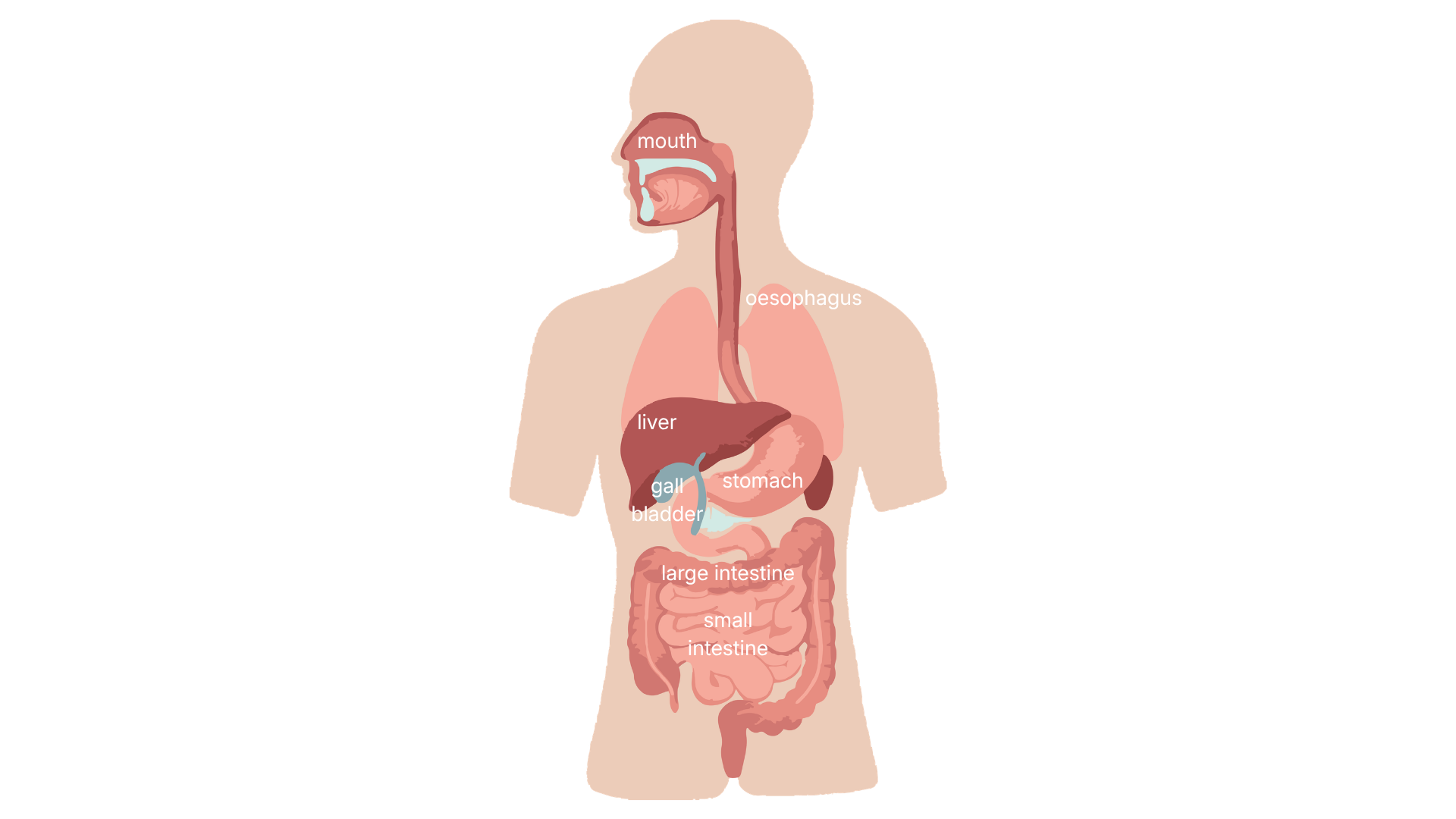
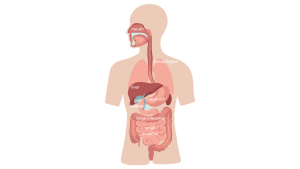
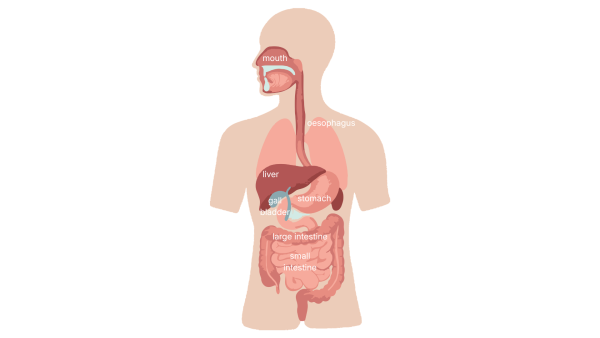
One organ system that has substantial effects on the entirety of the body is the gastrointestinal tract, or the gut. The gut is made up of a series of organs, including th
e mouth, esophagus, liver, stomach, gallbladder, small and large intestines, etc. There are trillions of bacteria living throughout the gut, and they have a huge impact on both mental and physical health. With its jobs ranging from food digestion to pathogenic protection to even mood regulation, keeping the gut healthy is a priority.
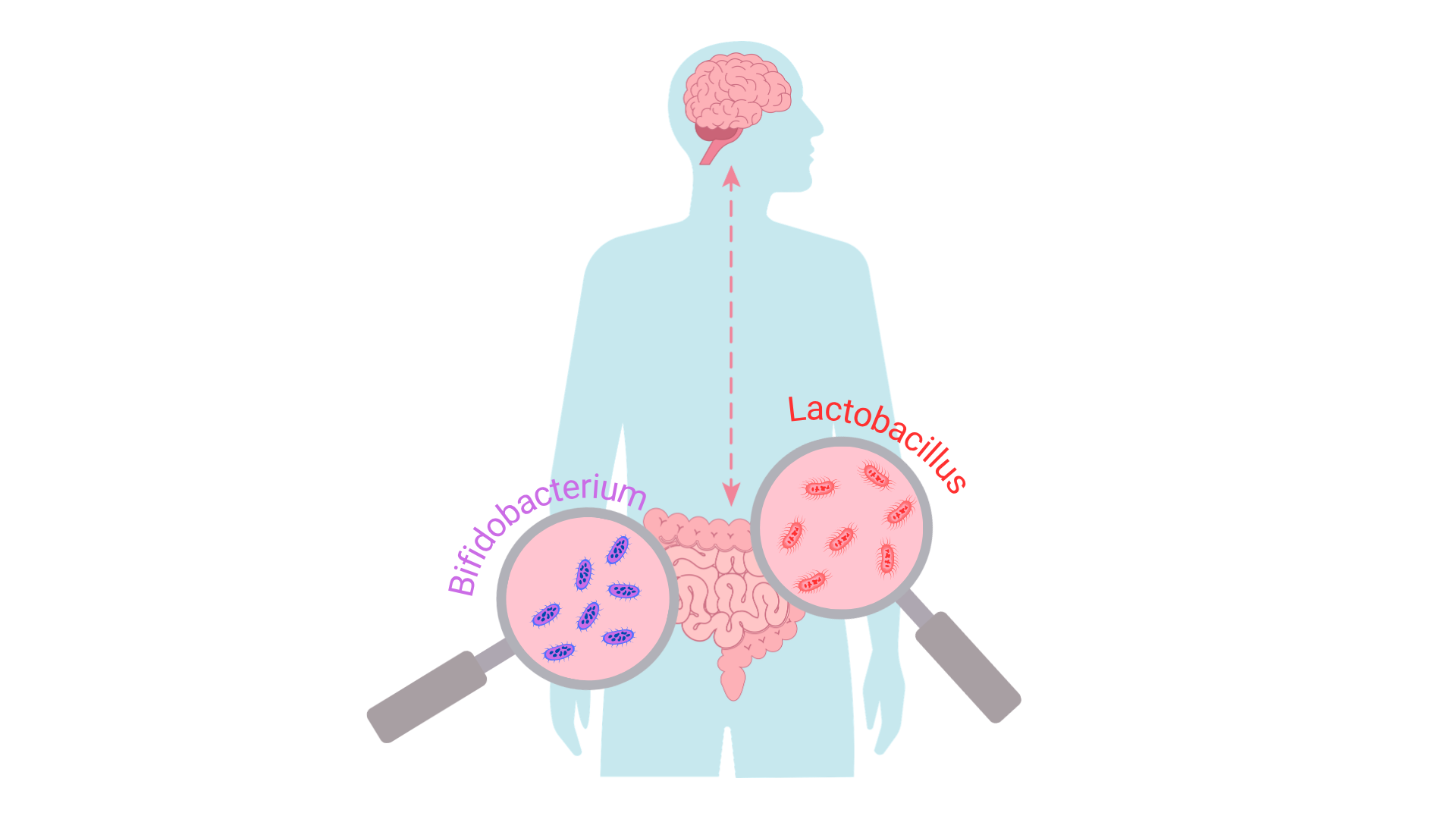
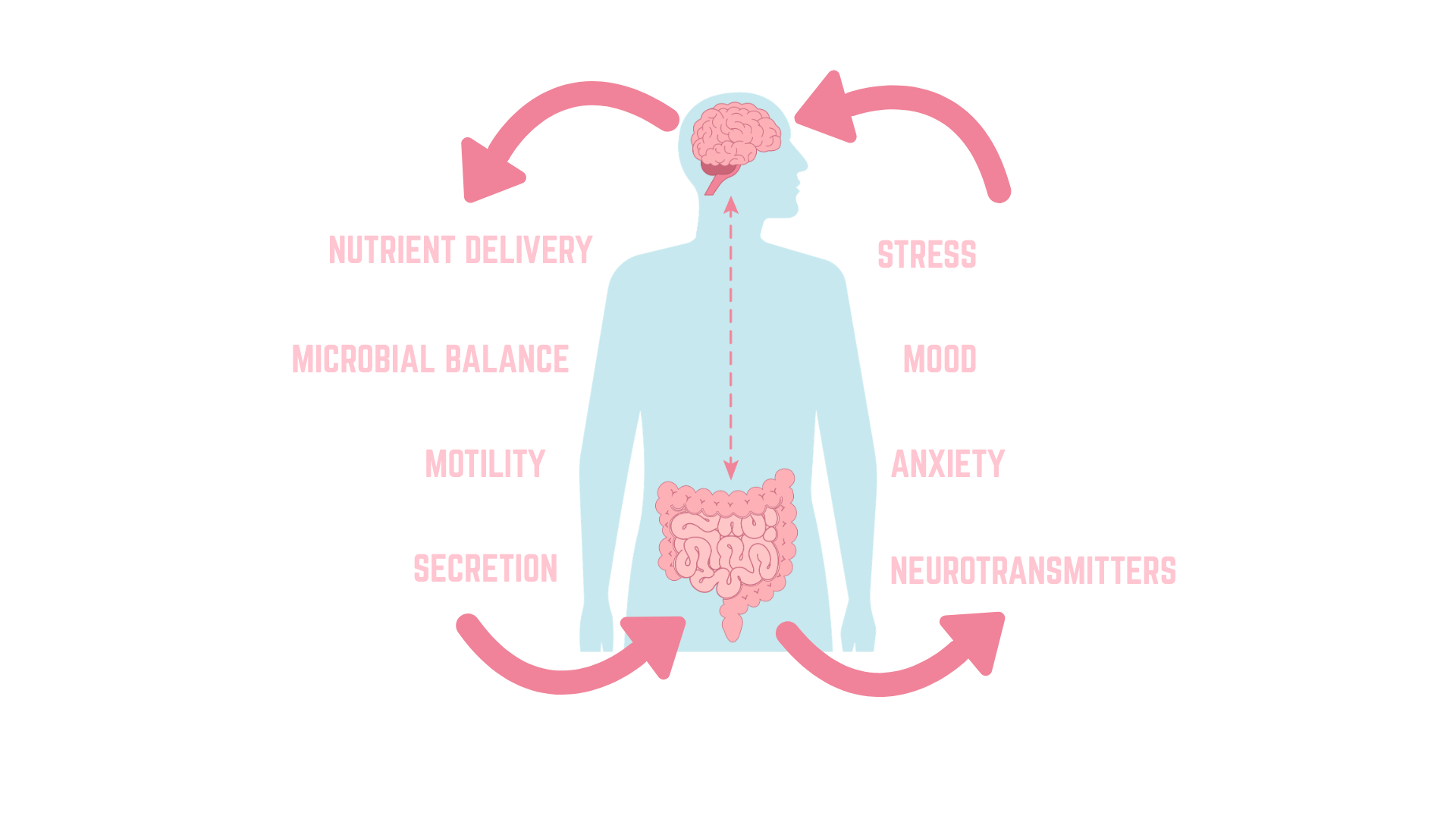
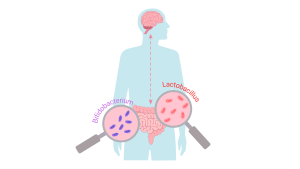
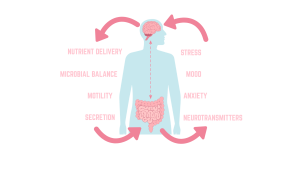
The gut plays a huge role in mental health because of a connection between the gut and the brain called the gut-brain axis. The gut-brain axis, also called the gut-brain connection, is a communication network that links the central nervous system (CNS) with the gut’s own nervous system, called the enteric nervous system.
Over time, the gut-brain axis has evolved to help the gut and brain stay in close
contact. In fact, there are more nerve cells in the gut than anywhere else, besides the brain. This is why, for example, when they’re nervous, something associated with the brain, most people get stomach aches.
“The gut-brain axis is almost like a (seesaw) in the sense that if you have too many gut (microbes) that are the wrong type, it can cause your mental health to be negatively impacted,” biology teacher Bryan Moretz said. “On the other si
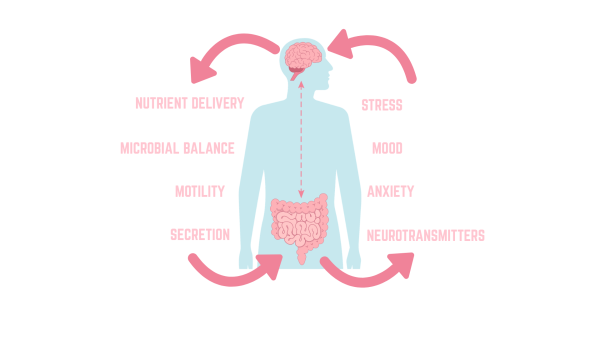
de of the coin, if you have some mental health disorders or illnesses, it might cause your gut microbiome to be negatively impacted.”
Poor gut health has implications beyond an aching stomach. It affects mood and physical activity, all because of the colony of microbes living in the gut.
“If your gut m
icrobiome is not balanced or you don’t have enough of the microbes themselves, you’re not going to produce the specific chemicals or hormones that you need to regulate your mental health and those chemical signals,” Moretz said.
The gut plays a significant role in mental health due to these specific hormones. The most significant one is serotonin, a neurotransmitter linked to happiness and sleep. The majority of the serotonin in the human body is produced in the gut, so an imbalance in the gut microbiome will result in low serotonin levels, lowering mood and sleep quality. An imbalance in the gut microbiome, also called gut dysbiosis, is usually caused by a poor diet or overuse of antibiotics.
A study released by the National Institute of Health found that a high-calorie diet can cause gut dysbiosis. Chronic excessive energy intake, the constant consumption of more calories than needed by the body, causes gut dysbiosis by reducing the diversity in gut bacteria and weakening the gut lining. This reduction in diversity is because a high-calorie diet is also high in sugars, like fructose, that are the fuel for rapidly growing bacteria, rather than the beneficial bacteria that prefer fuel like fiber.
The gut is also home to 70% of the immune system tissue in a person’s body, according to
UCHealth, meaning it has a direct impact on how well the immune system fights infections and certain diseases. A poor gut can lead to a weak immune system.
“The gut microbiome helps to protect and keep you safe from the bad bacteria that could cause an infection,” Moretz said. “Most people have experienced food poisoning before, and that’s usually caused by some sort of bad bacteria that’s going to make you sick. But usually, the gut microbiome is there to counteract that and it works with your immune system to kill off the bad bacteria that could potentially make you sick.”
The bacteria in the gut work with the immune system to fight diseases by educating, training and regulating immune cells. For instance, according to Harvard Medical School, a microbial mediator located in the gut stimulates the activation and signaling of natural killer T-cells, which are involved in immune regulation.
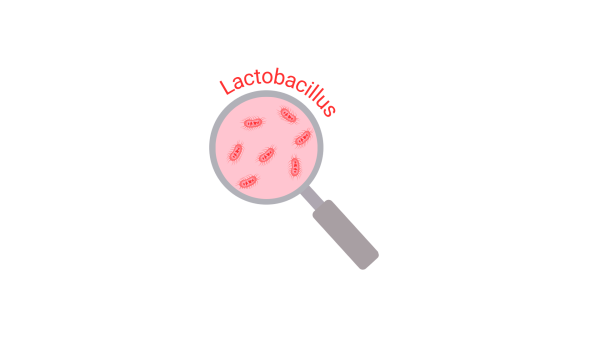
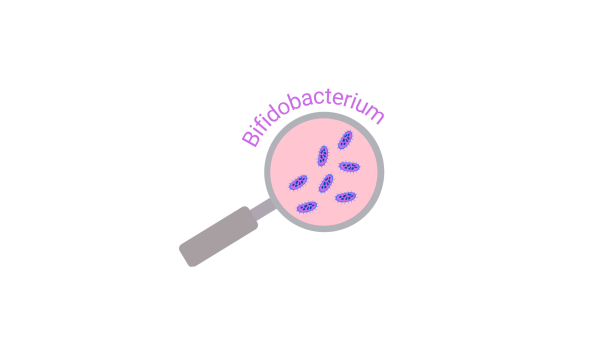
Luckily, there are ways to restore microbial balance, such as probiotic supplements. Probiotics are live bacteria and yeasts that can improve gut health and usually already exist in the gut, but supplements can help to fight off harmful bacteria and boost immunity against infections.
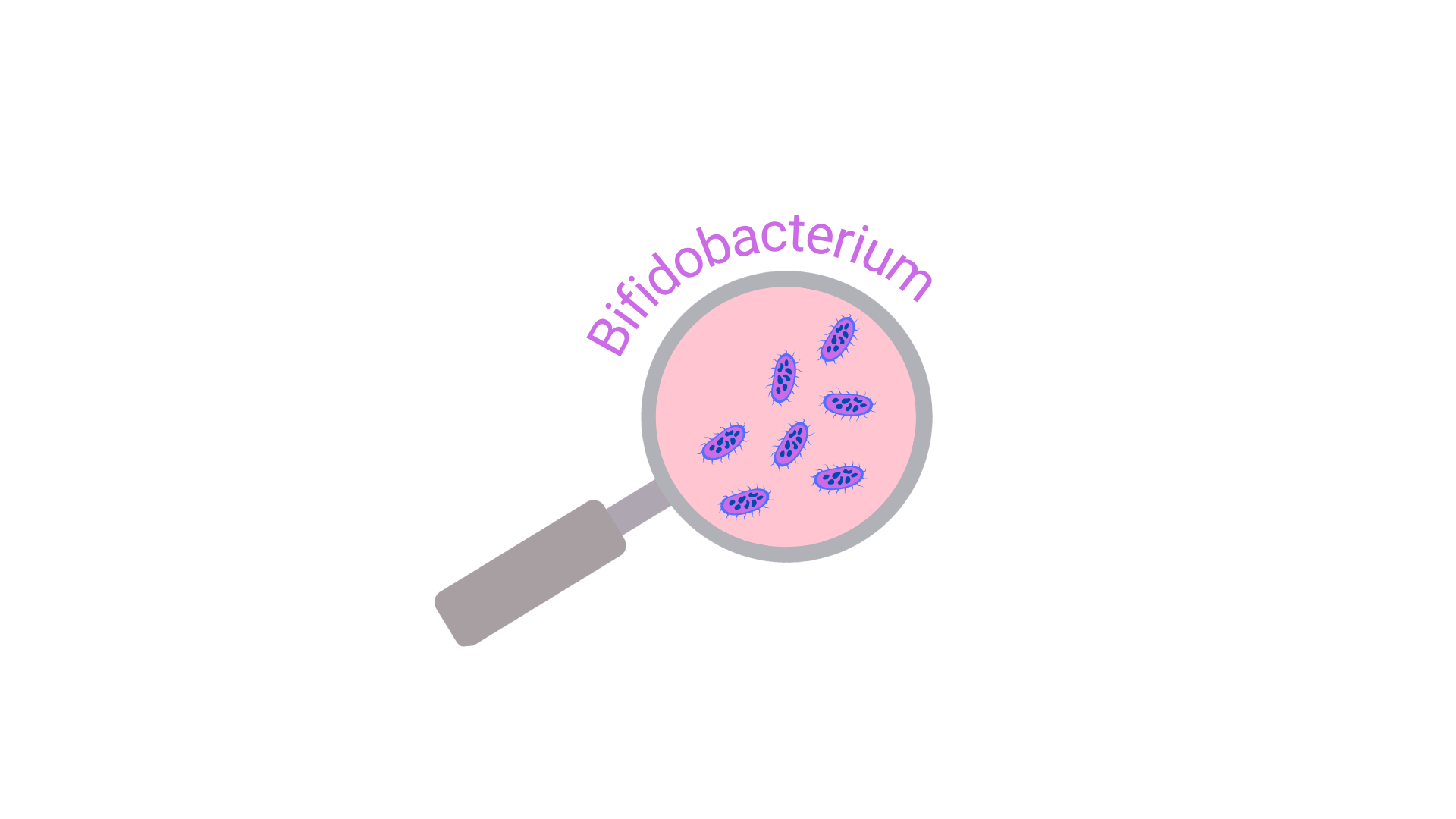
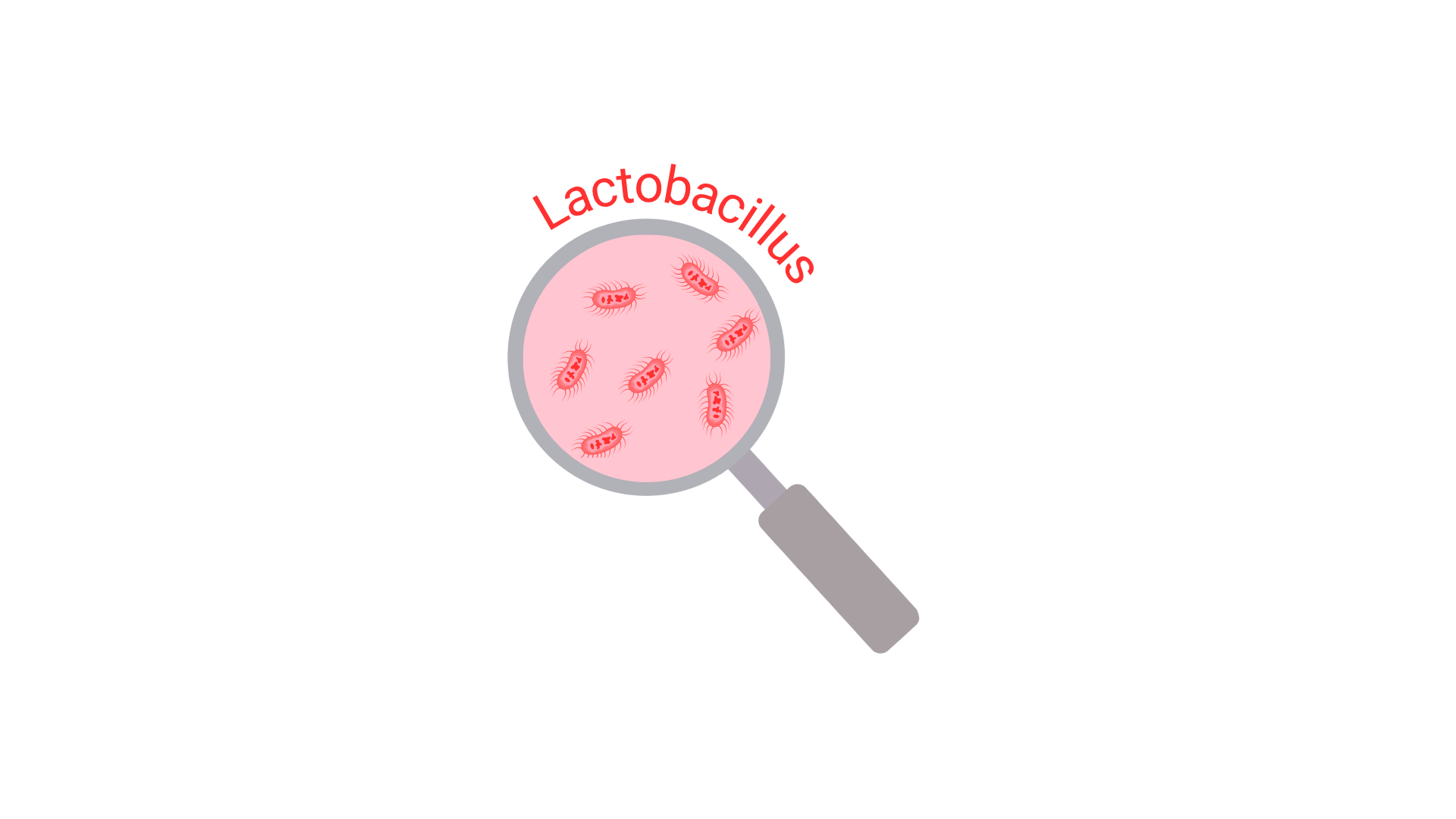
The most common types are Lactobacillus and Bifidobacterium. Lactobacillus is a genus of bacteria that ferments carbohydrates into lactic acid, a fuel source, and inhibits bad bacteria. Bifidobacterium is also a genus of bacteria that produces lactic acid, and it boosts the immune system.
Nutritional supplements have been trending for a couple of years, with the increase in health fads. Several students, like sophomore Lucia Fang, take supplements to improve their gut health. These supplements range from probiotics to fiber supplements to even digestive enzymes.
“I (take) omega-3 supplements to improve my blood flow and lower my cortisol and blood pressure, which my doctor recommended (to improve my health),” Fang said. “I also try to eat (a lot of) fiber and protein.”
Protein and fiber improve gut health by supporting digestion and balancing the microbiome by fueling beneficial bacteria. Additional foods beneficial for gut health inc
lude fermented foods, such as yogurt, kimchi, vegetables and legumes. Mediterranean diets, for example, are famous for their rich source of gut-health foods.
While it is important to keep a healthy gut, there is no such thing as a “perfect” gut in which all the bacteria are beneficial and fight pathogens.
“It’s all individual,” Moretz said. “A lot of your gut microbiome came from your mom, which was passed on to you as you were developing. … You’re made of trillions of bacteria in your gut with thousands of different species, and so there’s no specific perfect gut microbiome. Everyone is a little bit different and unique.”
The gut and the gut-brain axis are perfect examples of the uniqueness and complexity of the human body. Over time, humans have evolved to send messages more quickly, respond to stimuli better and maintain a homeostatic balance more efficie
ntly. The gut-brain axis is one way the body sends messages to keep itself alive. Ensuring the health of the cells, tissues, organs and organ systems that form a body is necessary for ensuring optimum mental and physical health.
“It’s important to keep your gut healthy so you can live longer and eat better food,” Fang said. “It’s a cycle.”